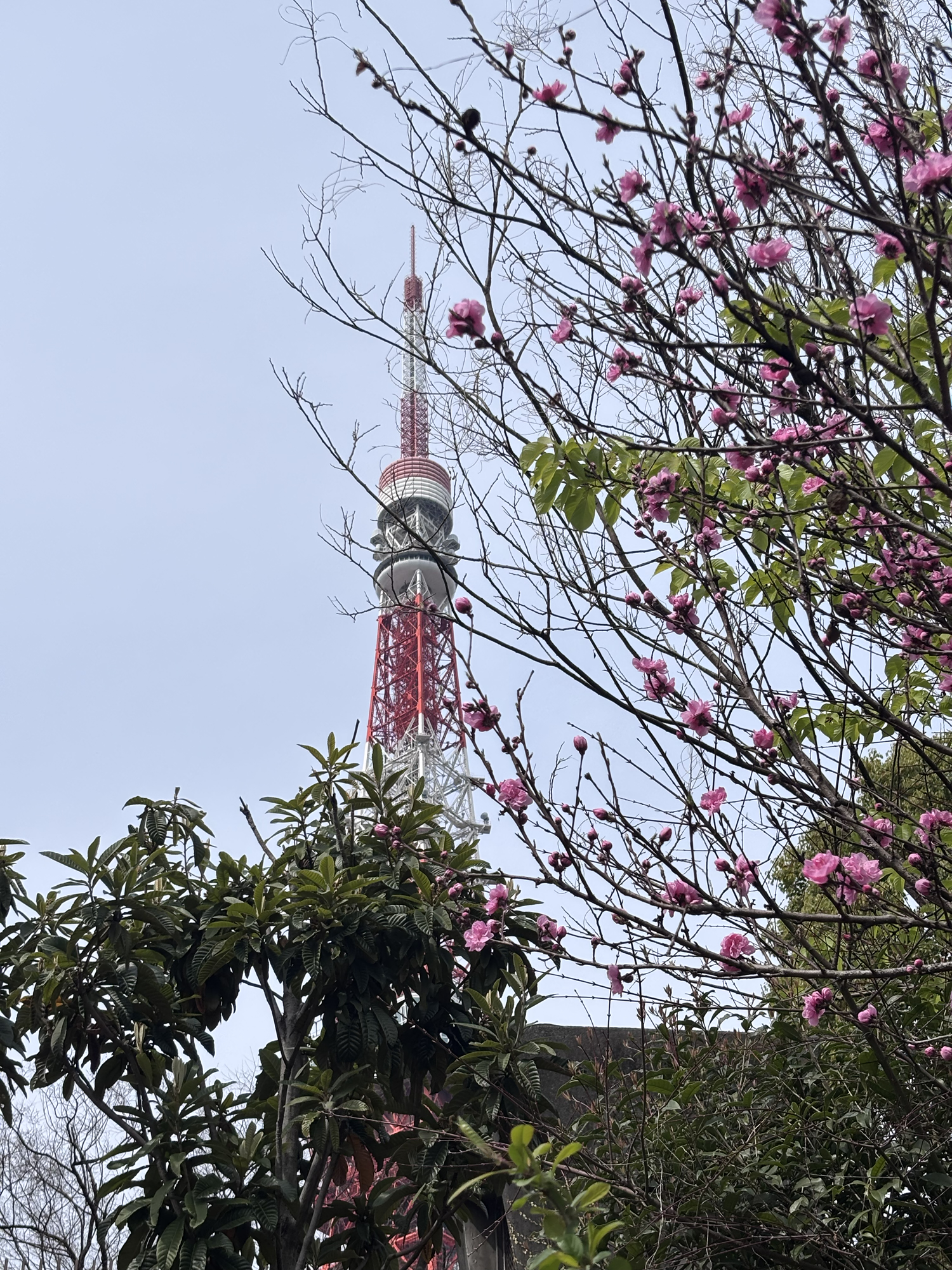
Woohoo, my first long post!
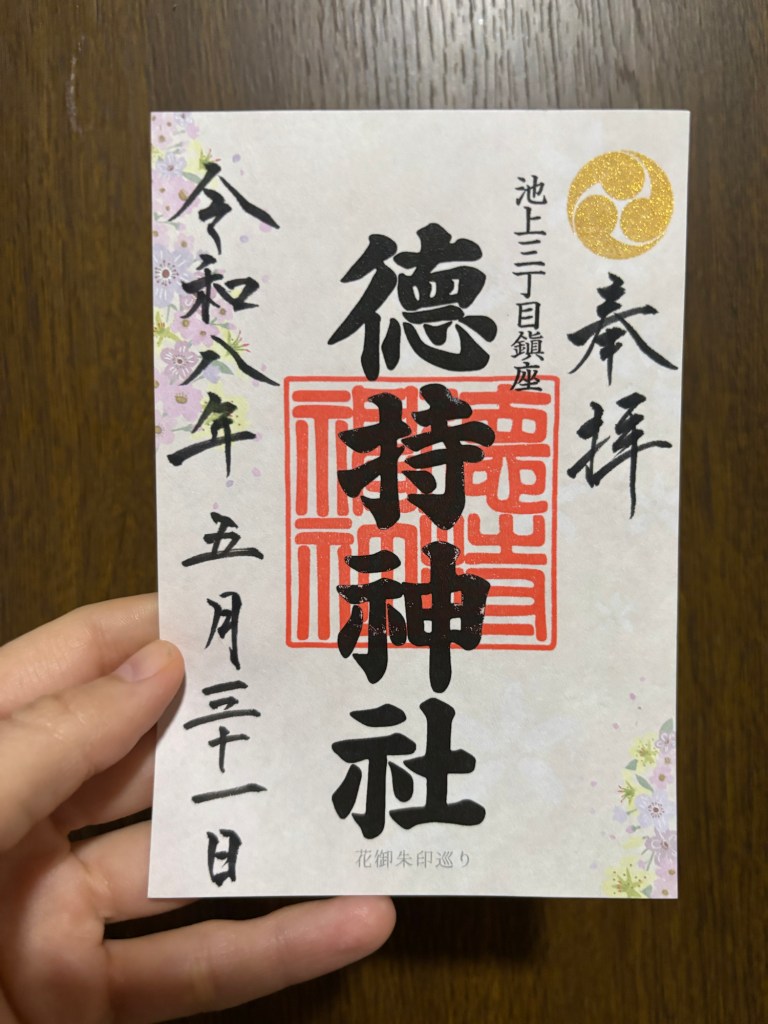
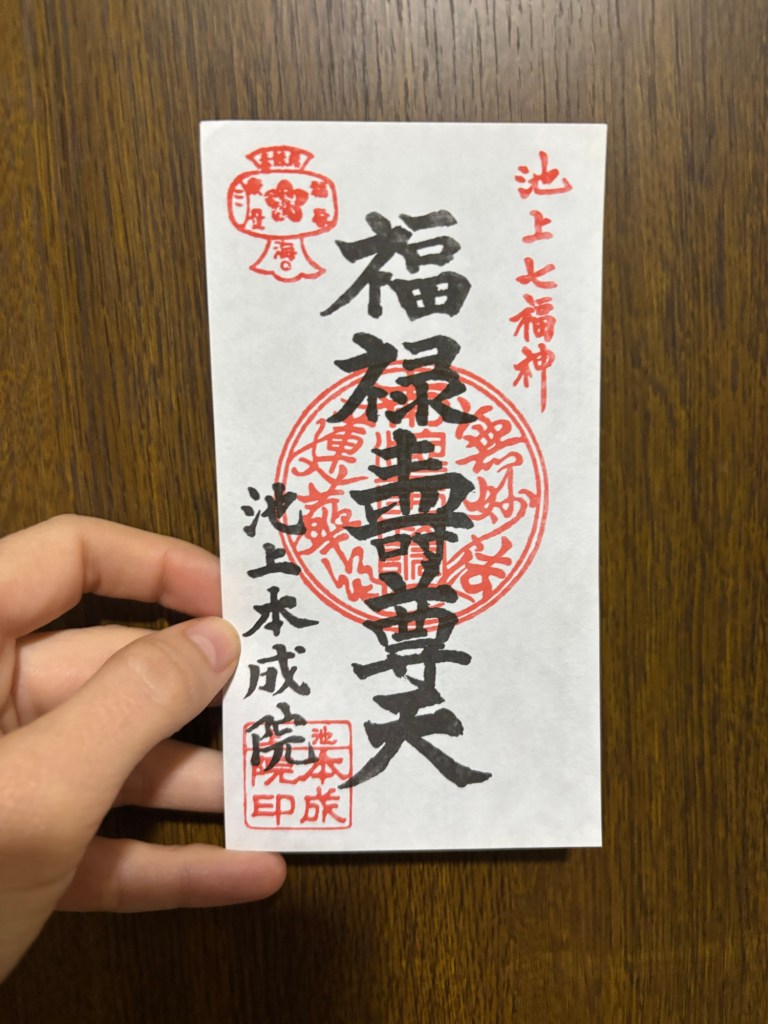
My husband and I found a great way to explore shrines and temples by signing up for the Tokyu Line Flower Goshuin Quest! 55 temples and shrines are participating and we plan to visit each one while paying our respects and learning the history behind these incredible places. A small detail for this post: we thought we had collected 3 flower goshuin, but once we got on the train I realized that we had only received one so we need to go back for the other two. Despite this, we had a great time and enjoyed the day!
What is a Goshuin?
A goshuin is traditionally received after offering prayers/paying respects at a shrine or temple and serves as a record of that visit. Because of this, many people view them as much more than simply decorative stamps. Visitors are encouraged to pay respects first (before receiving the goshuin), treat their goshuincho (stamp book) with care, and avoid using it for unrelated stamps or notes. They are also encouraged to keep temple goshuin separate from shrine goshuin, which we plan to do and have already purchased two different goshuincho each for that very purpose! Even as someone who is not religious, I am spiritual and I appreciated the idea that the value of a goshuin comes not from collecting as many as possible, but from remembering the experience and the place itself. Each page becomes less of a “checklist” and more of a record of moments spent learning and connecting with small pieces of history.
When visiting a Shinto shrine, a few simple customs can help show respect*. Bow before passing through the torii gate, cleanse your hands at the purification basin, and approach the shrine quietly. If you choose to pray (I choose to hold a silent expression of gratitude for the experience), the traditional method is to bow, give an offering of yen, ring the bell to notify the shrine guardian of your presence, bow twice, clap twice, pay respects, then bow once more. As you leave, it is customary to bow once more toward the shrine. While every shrine has its own traditions, approaching with sincerity and respect is always appreciated. *I’ve linked more detailed etiquette at the bottom of this post for anyone interested.
Tokumochi Shrine
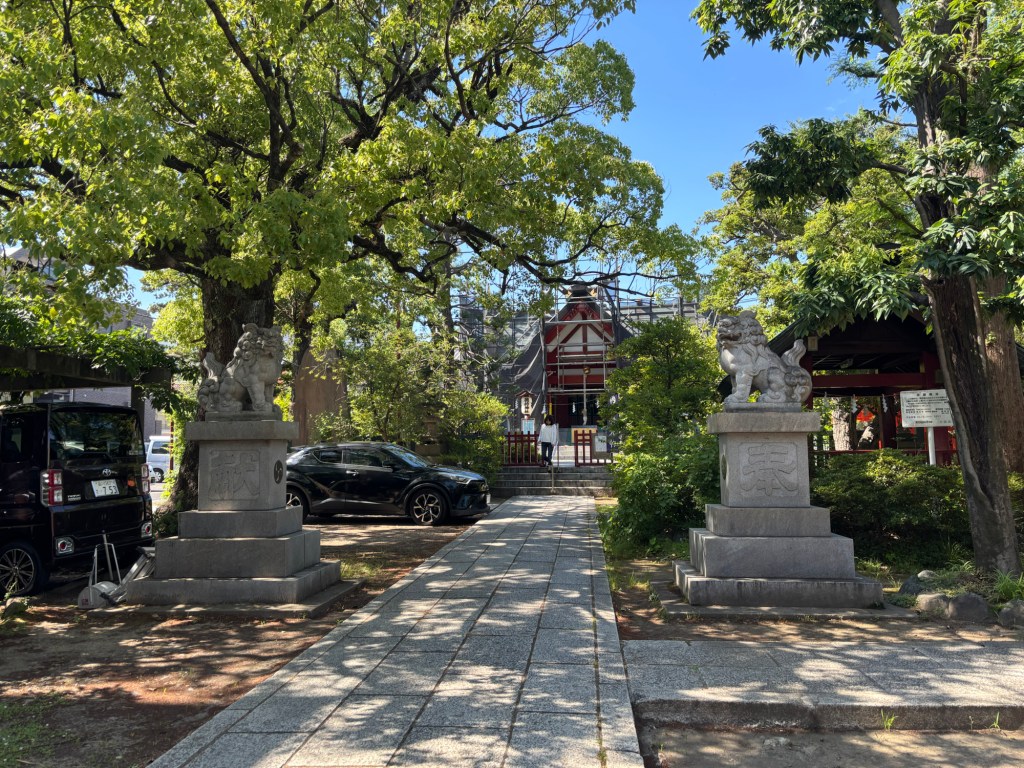
Our first stop was to Tokumochi Shrine which was under construction during the time of our visit, but it was still incredibly meaningful. I can’t quite describe the feeling I get internally at shrines and temples, but they are very emotional for me and I can feel how loved and respected these locations are. I was rather hungry before visiting this shrine, and I was also extremely nervous as this was my first shrine “paying respects” at so I wanted to do it correclty, so I unfortunately didn’t take many pictures. It also turned out to be the only “flower” goshuin we received that day, so we don’t need to go back to complete the quest for this one..
Tokumochi Shrine’s history stretches back nearly 800 years to the Kamakura period (1249-1255), when it was established as a branch of Usa Hachiman Shrine in Kyushu. It was relocated in the early 1900’s due to the installment of a nearby racetrack, and suffered destruction during the 1945 air raids. Despite these circumstances, a small underground shrine survived and became part of its postwar reconstruction.
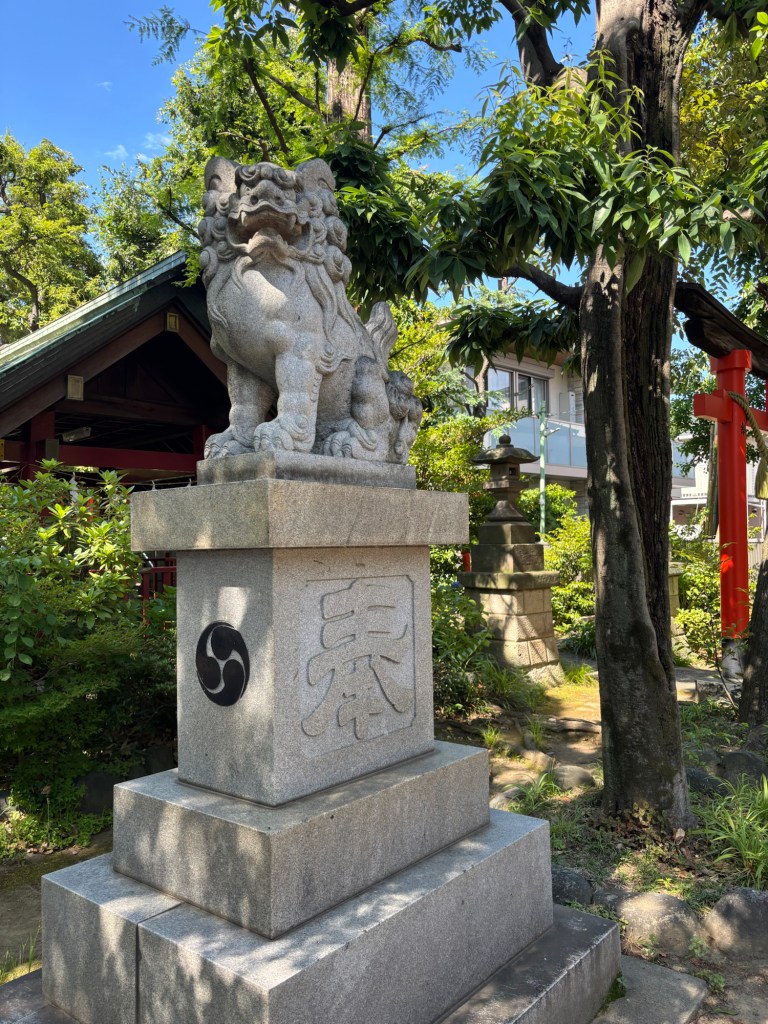
One of my favorite things about this shrine was the pair of komainu, or more commonly known as “fu dogs” in English. These guardian lion-dogs are believed to protect sacred spaces from evil spirits. If you look closely at the pictures I took, one keeps its mouth open and the other closed, symbolizing the beginning and end of all things. They are described as “together they represent the cycle of existence and serve as protectors against evil spirits entering the shrine grounds.”
If you’d like to learn more about Tokumochi Shrine, please visit their site here: http://tokumochi-jinja.tokyo-jinjacho.or.jp/index.html
Some Sights (and eats) Along the Way!
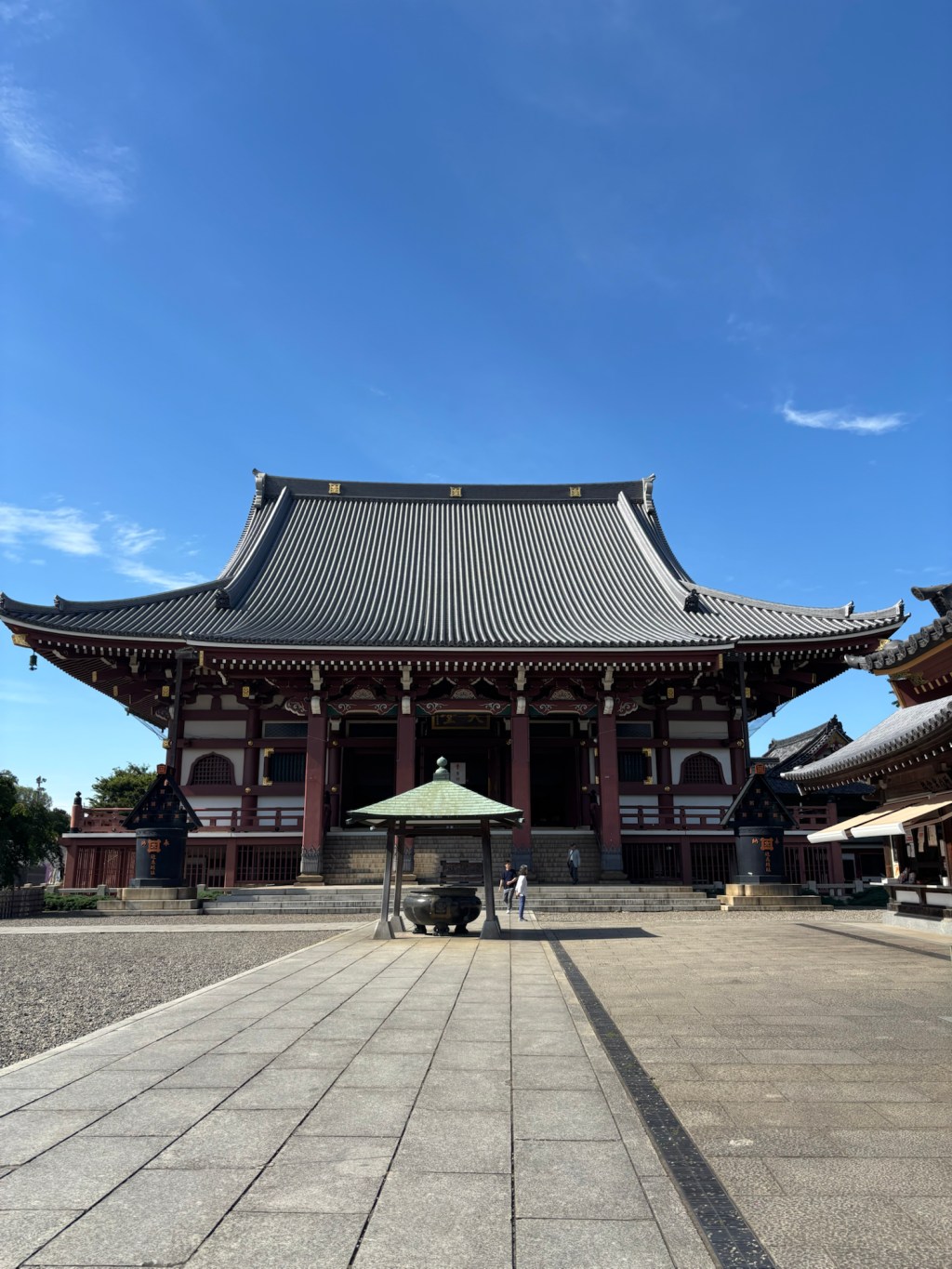
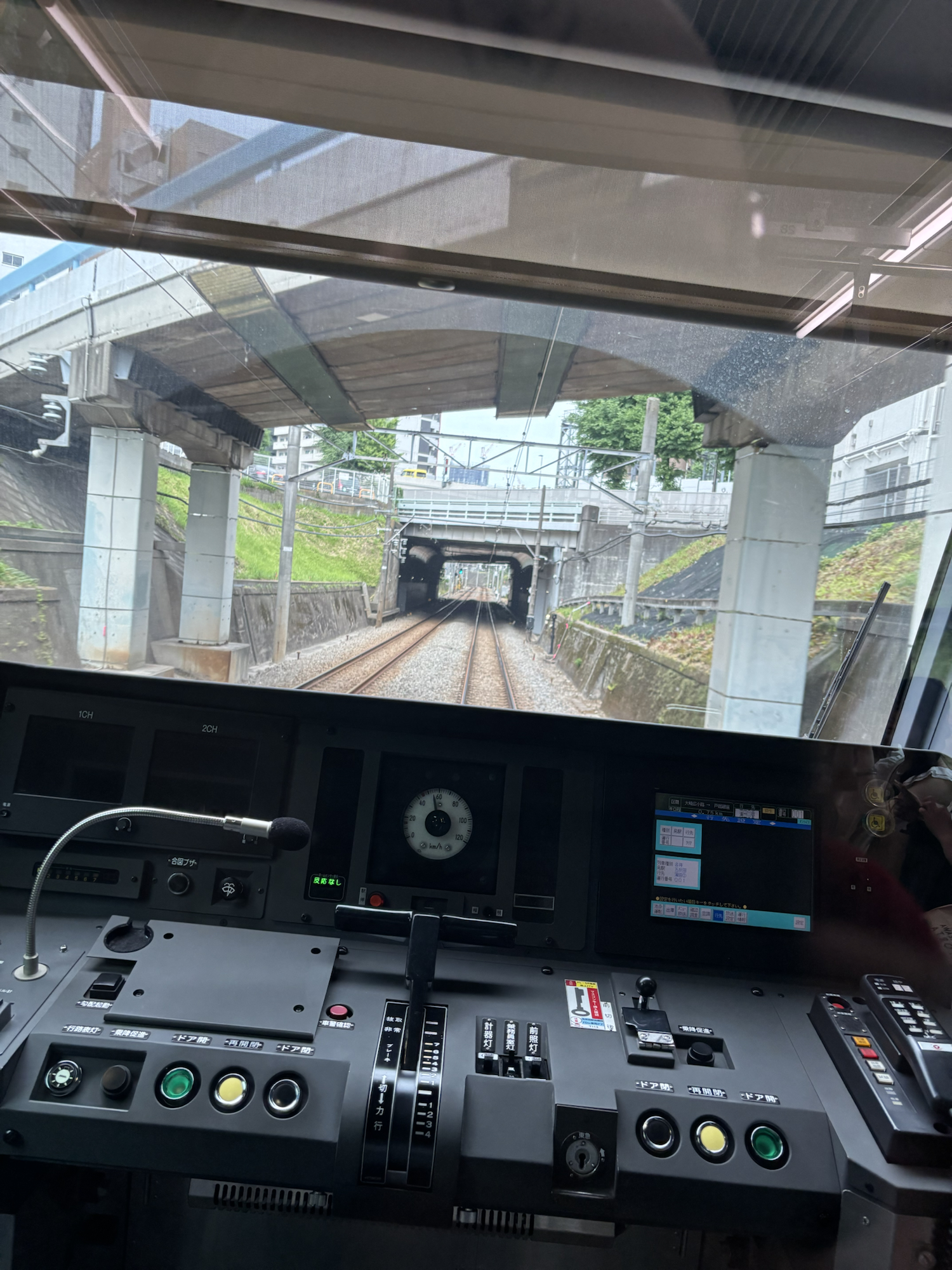
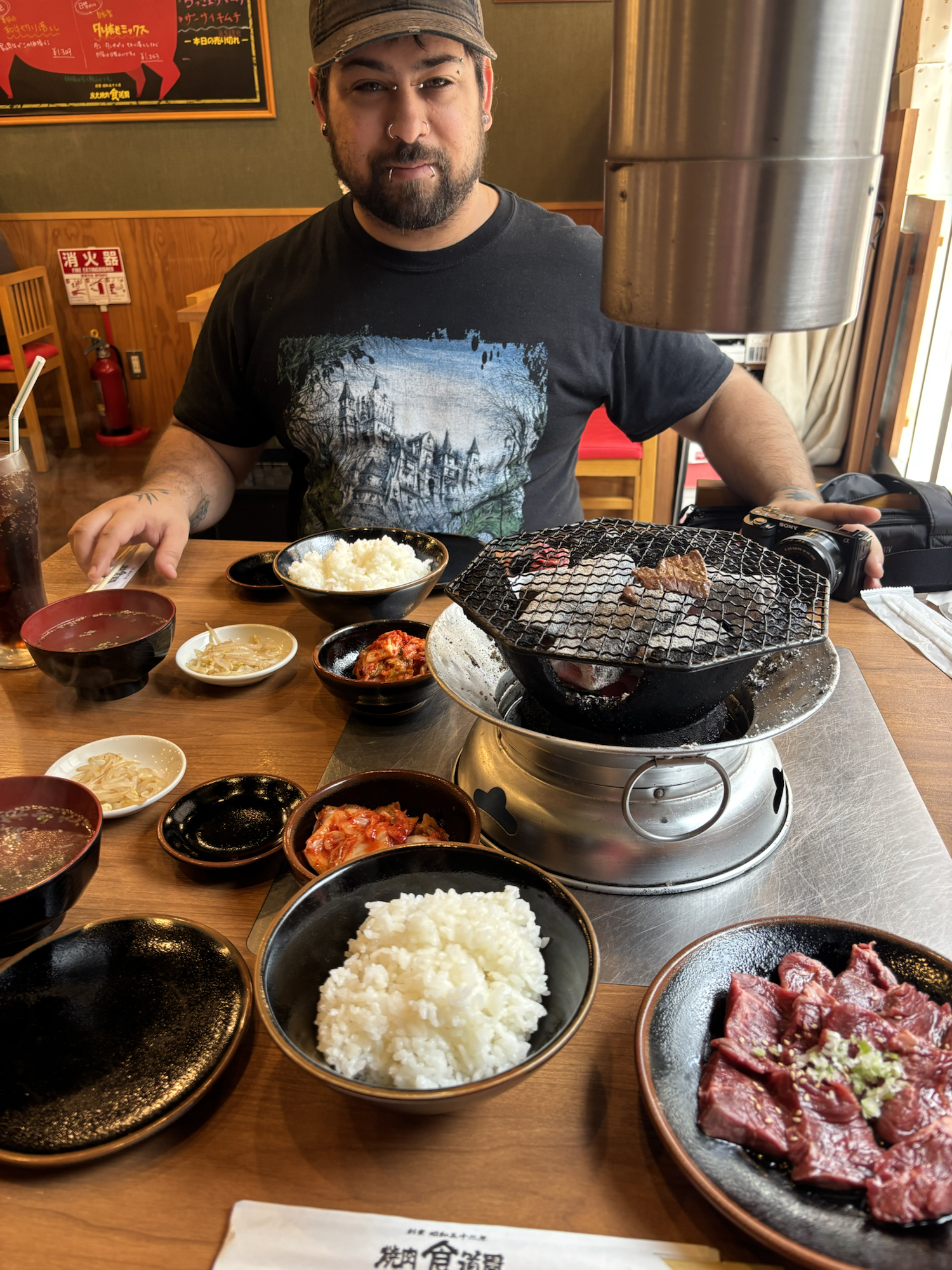
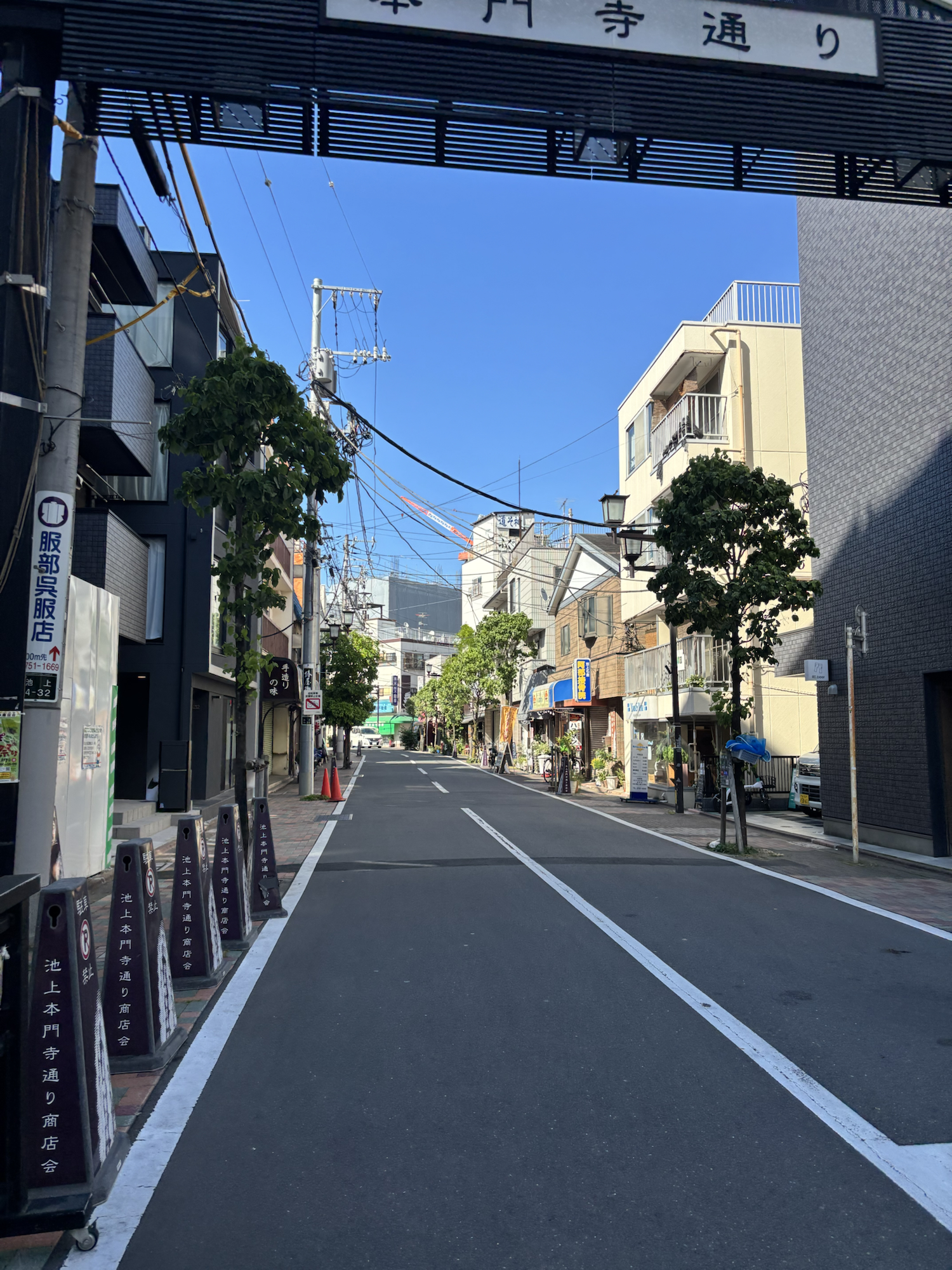
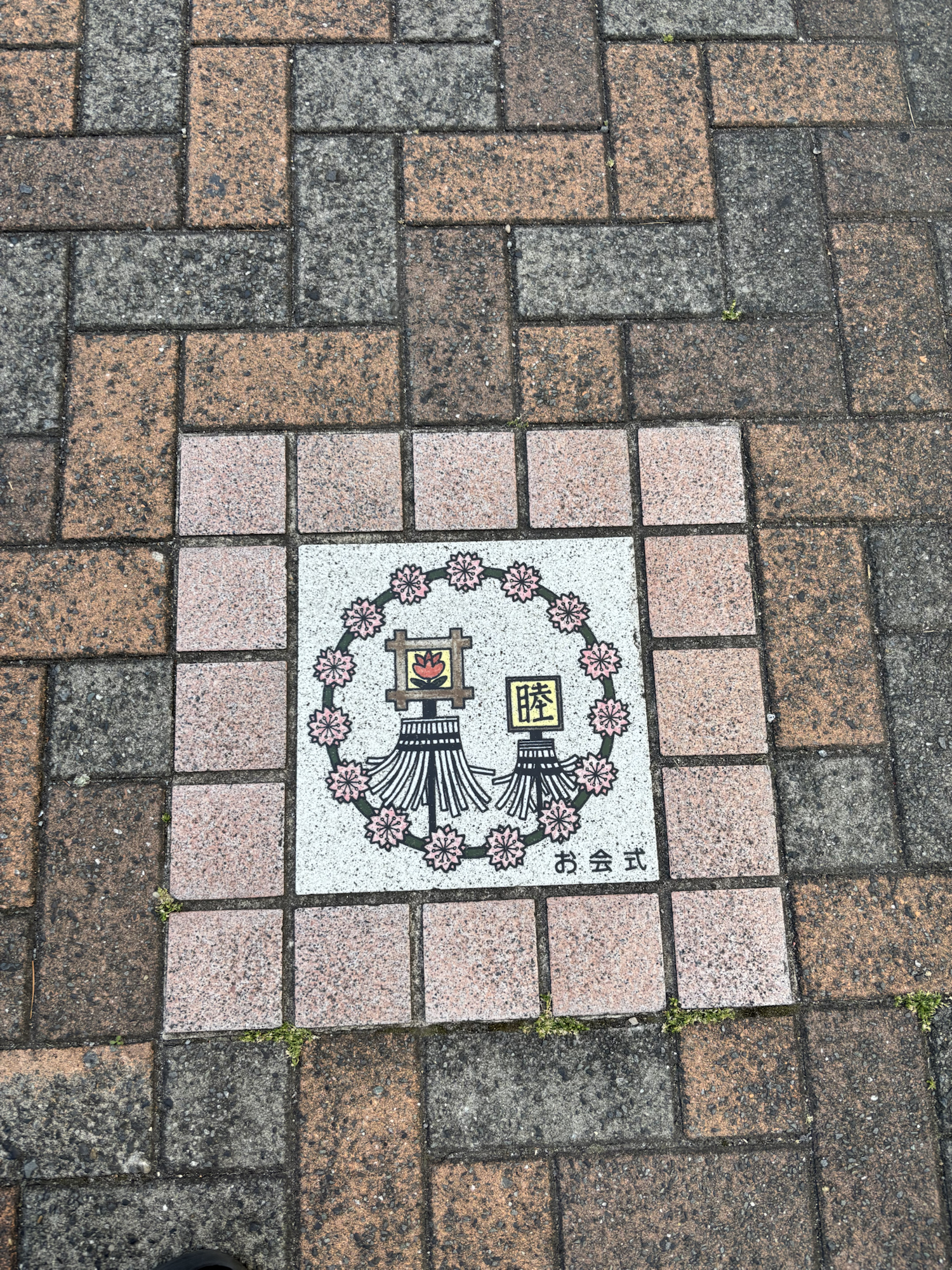
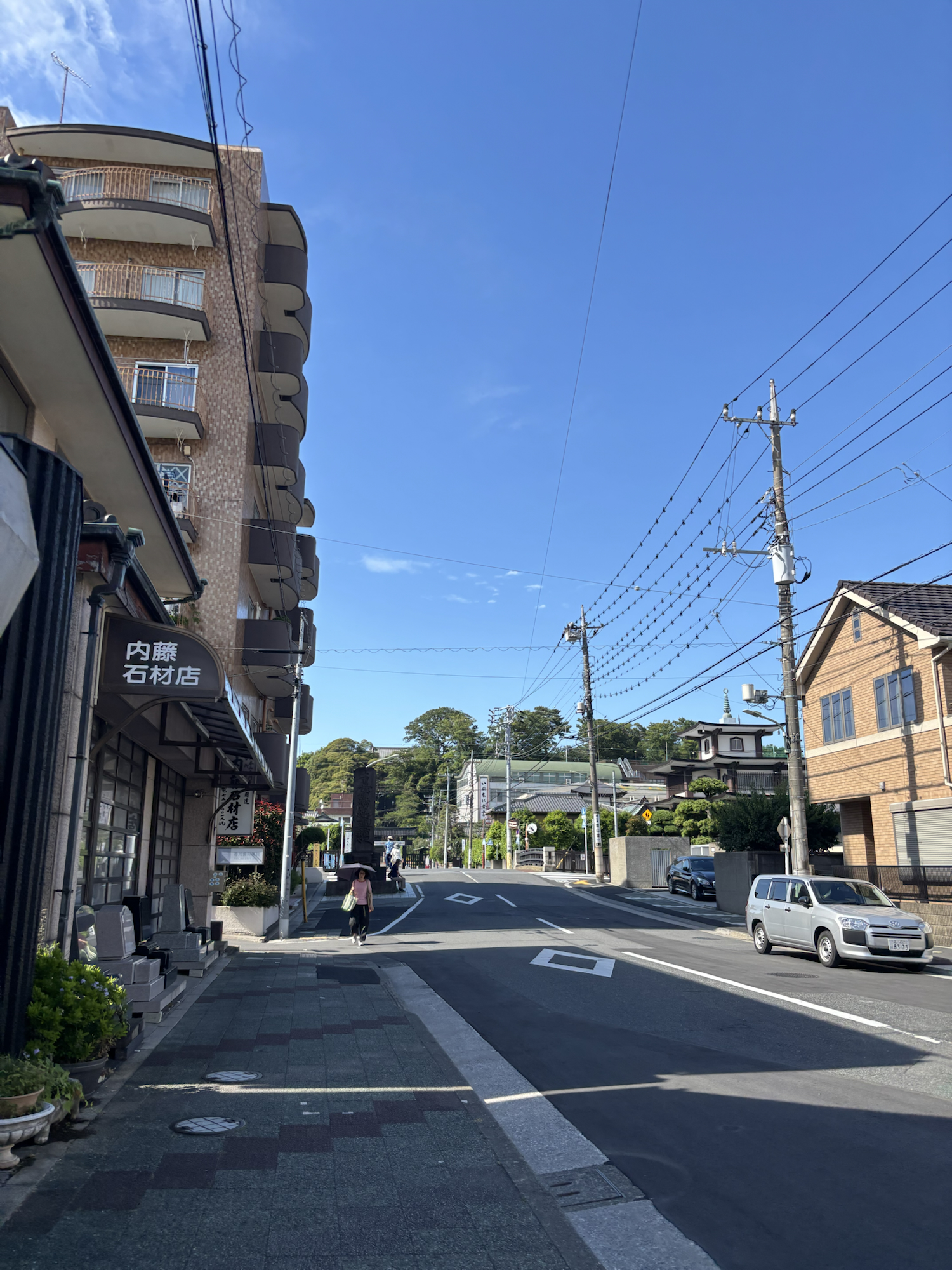
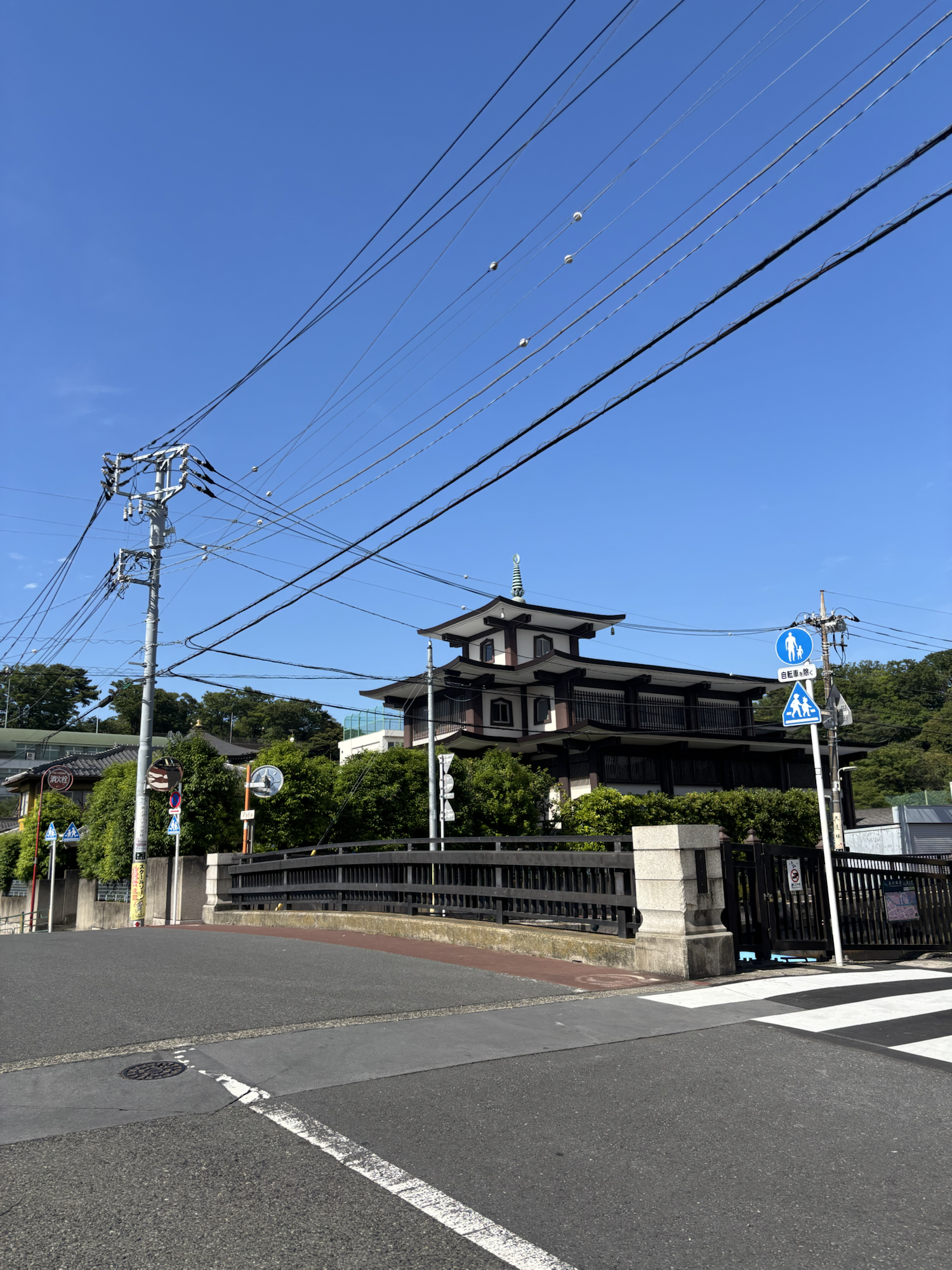
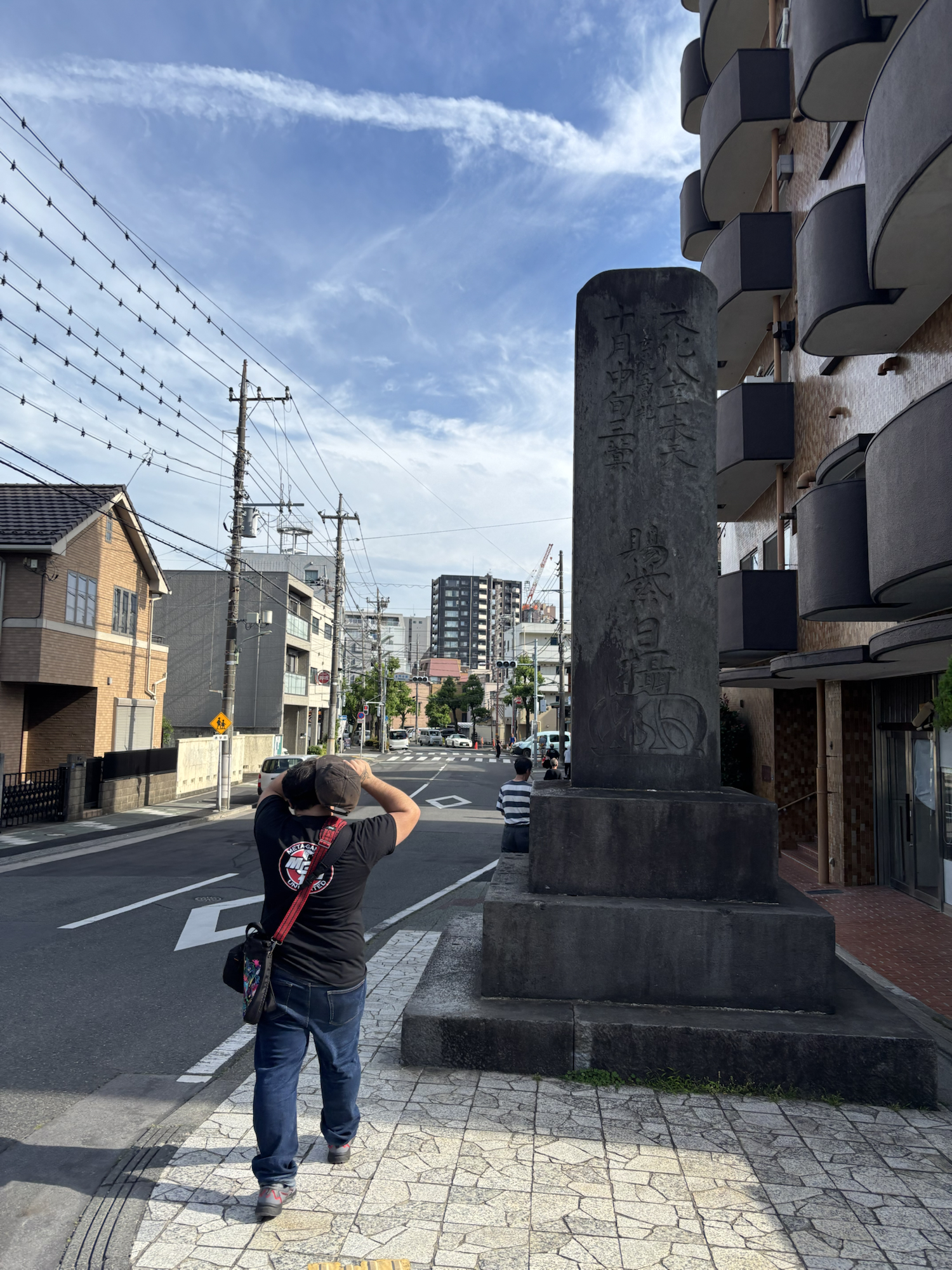
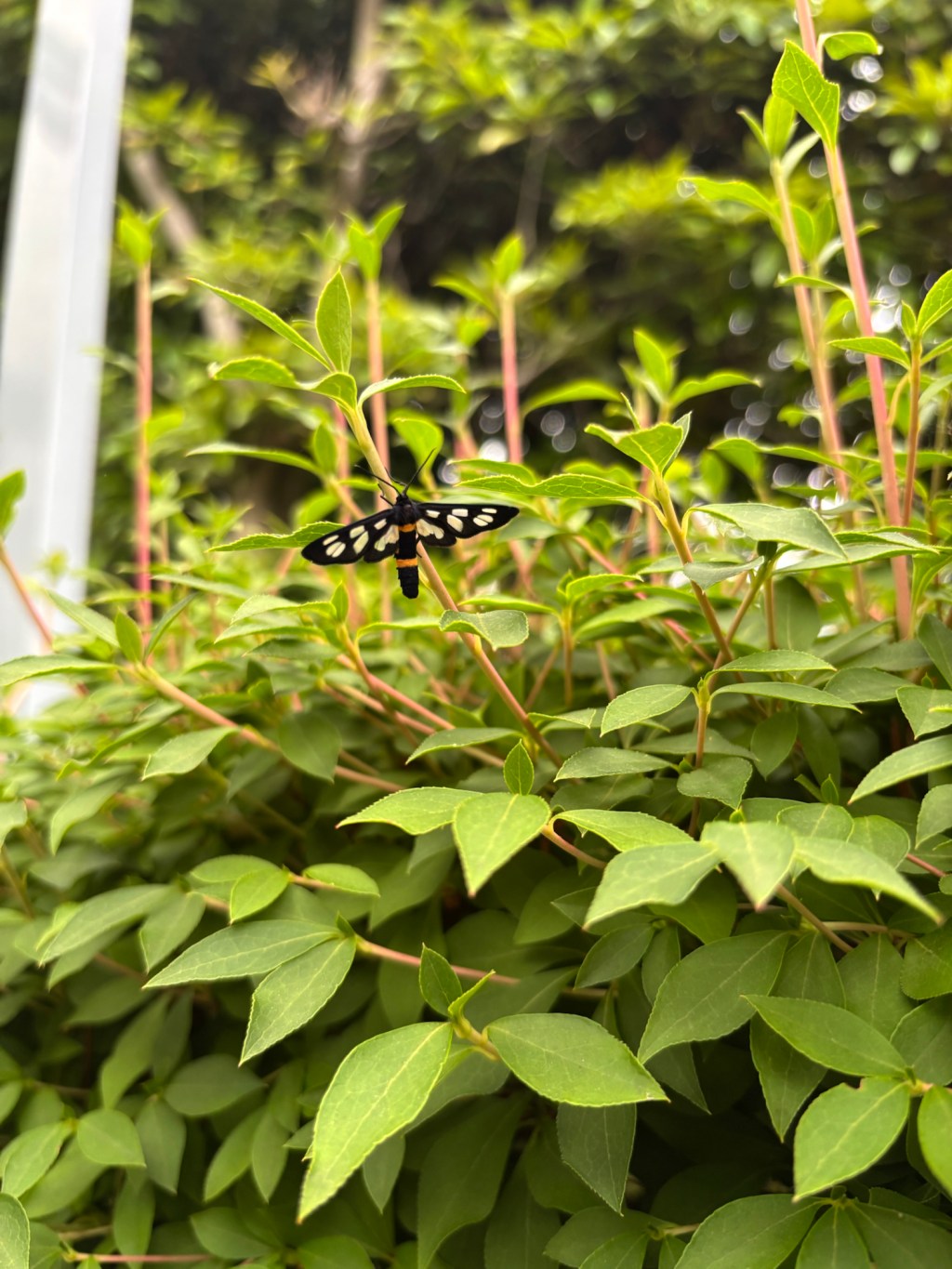
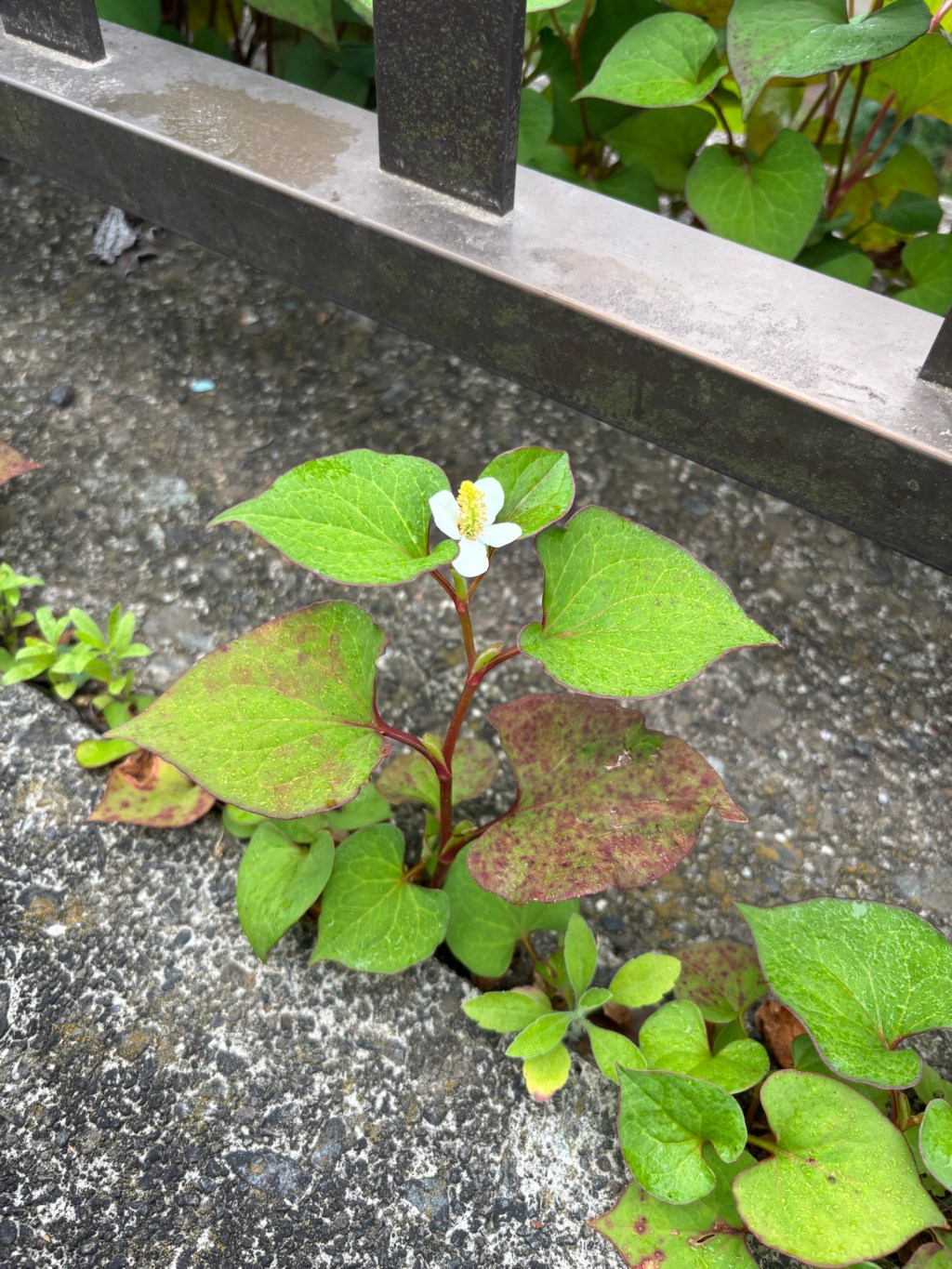
This is just a collection of “every day” sites that we experienced while walking between shrines and temples. It was such a beautiful day, the weather was perfect and the temperature was wonderful. One of my favorite things I have discovered is that I truly enjoy being at the very front or very back of the trains. It’s an incredible view and I love watching kids wave at the conductor as well as the beautiful foliage around the tracks. Even “every-day” locations are so incredible to experience, as it seems like everywhere we go is meticulously cared for by the people living there.

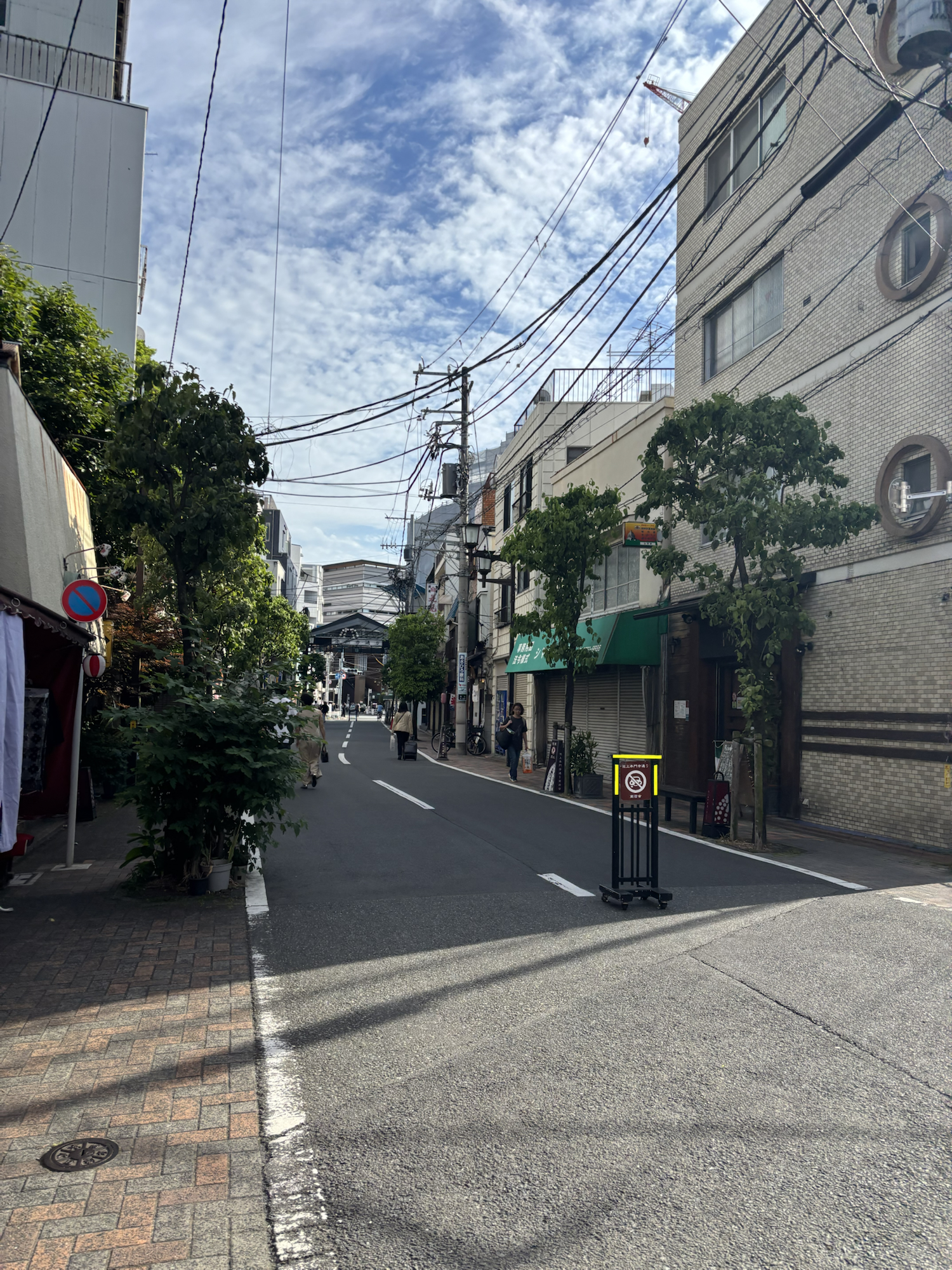
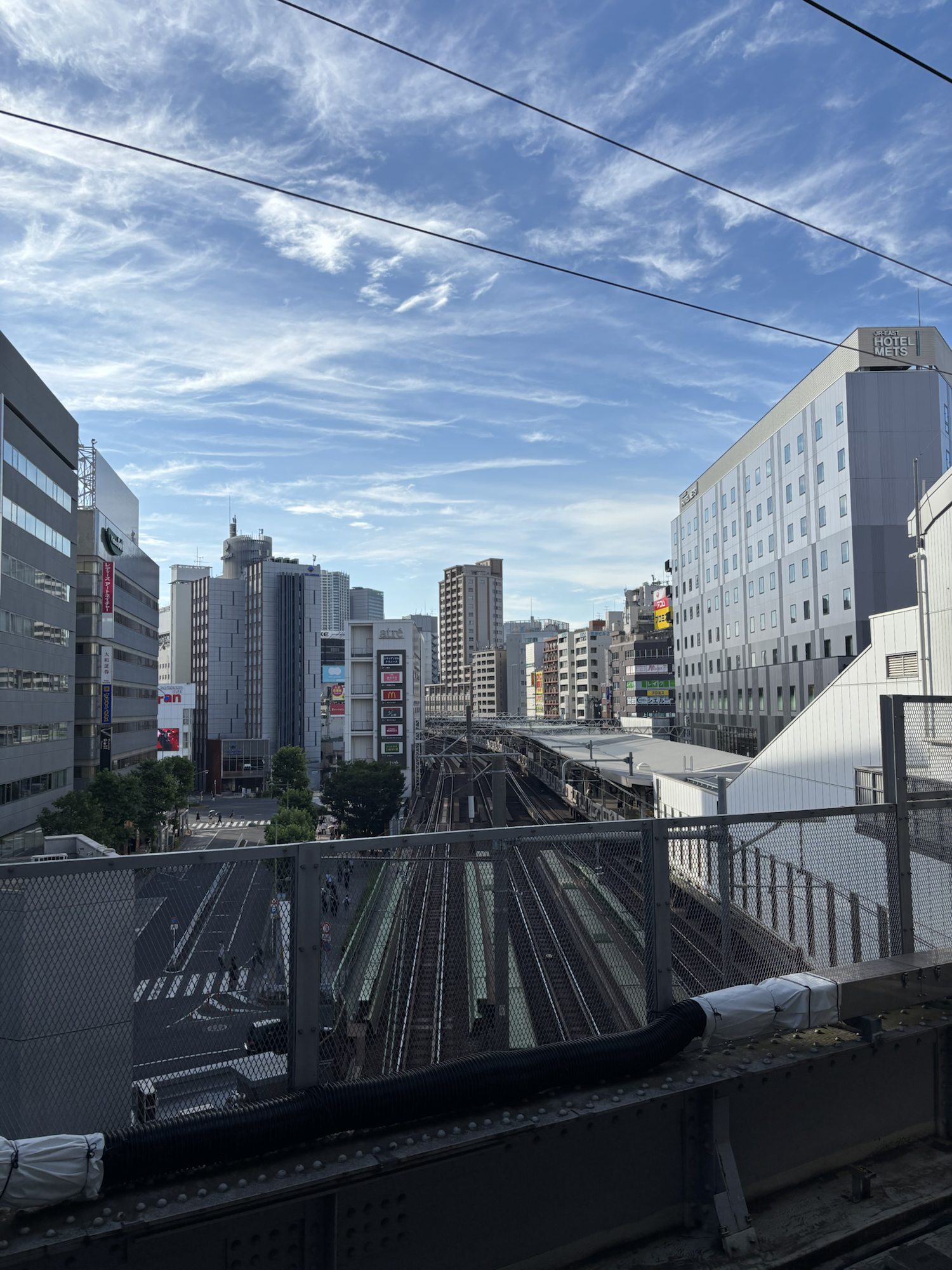
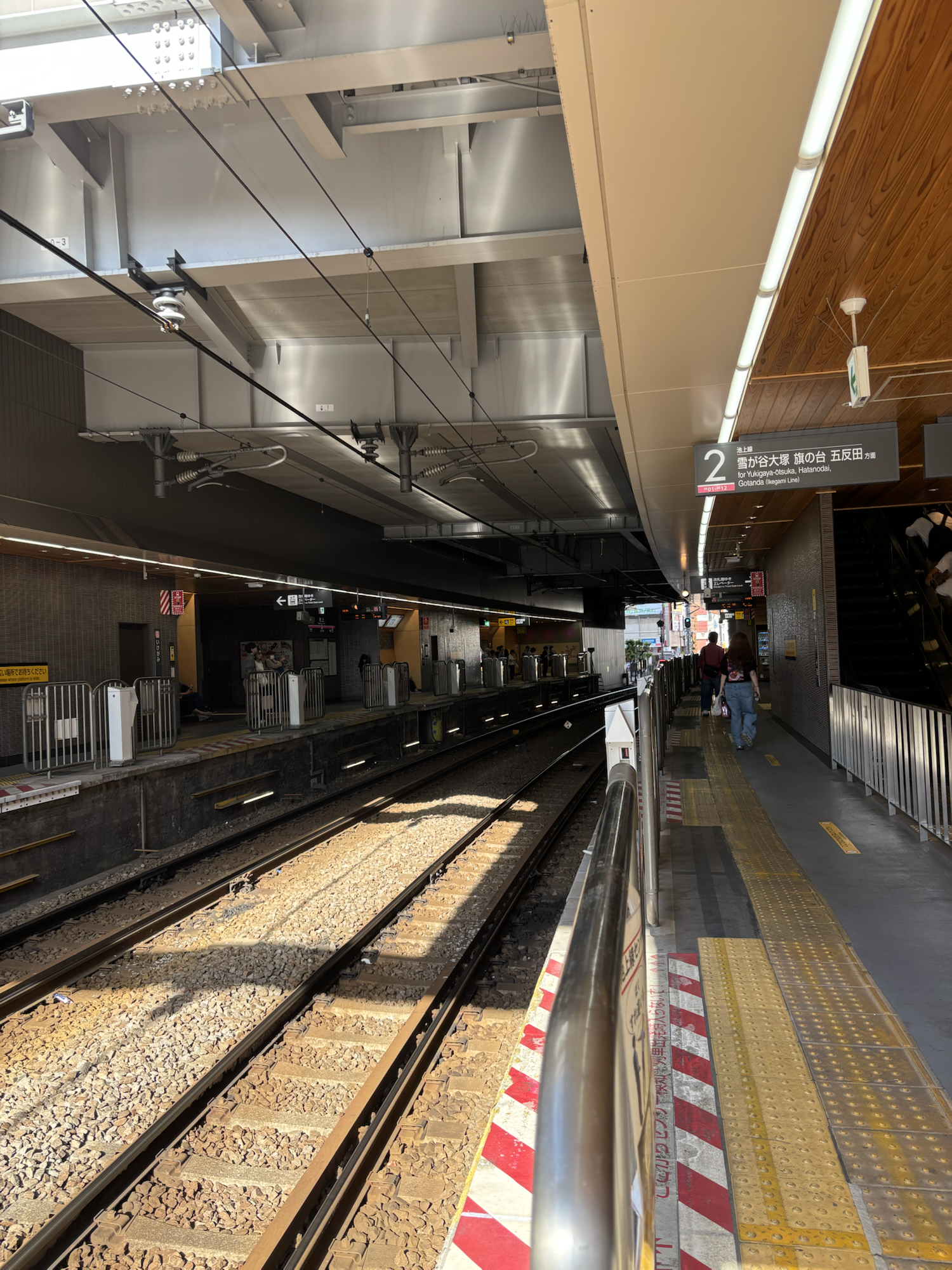
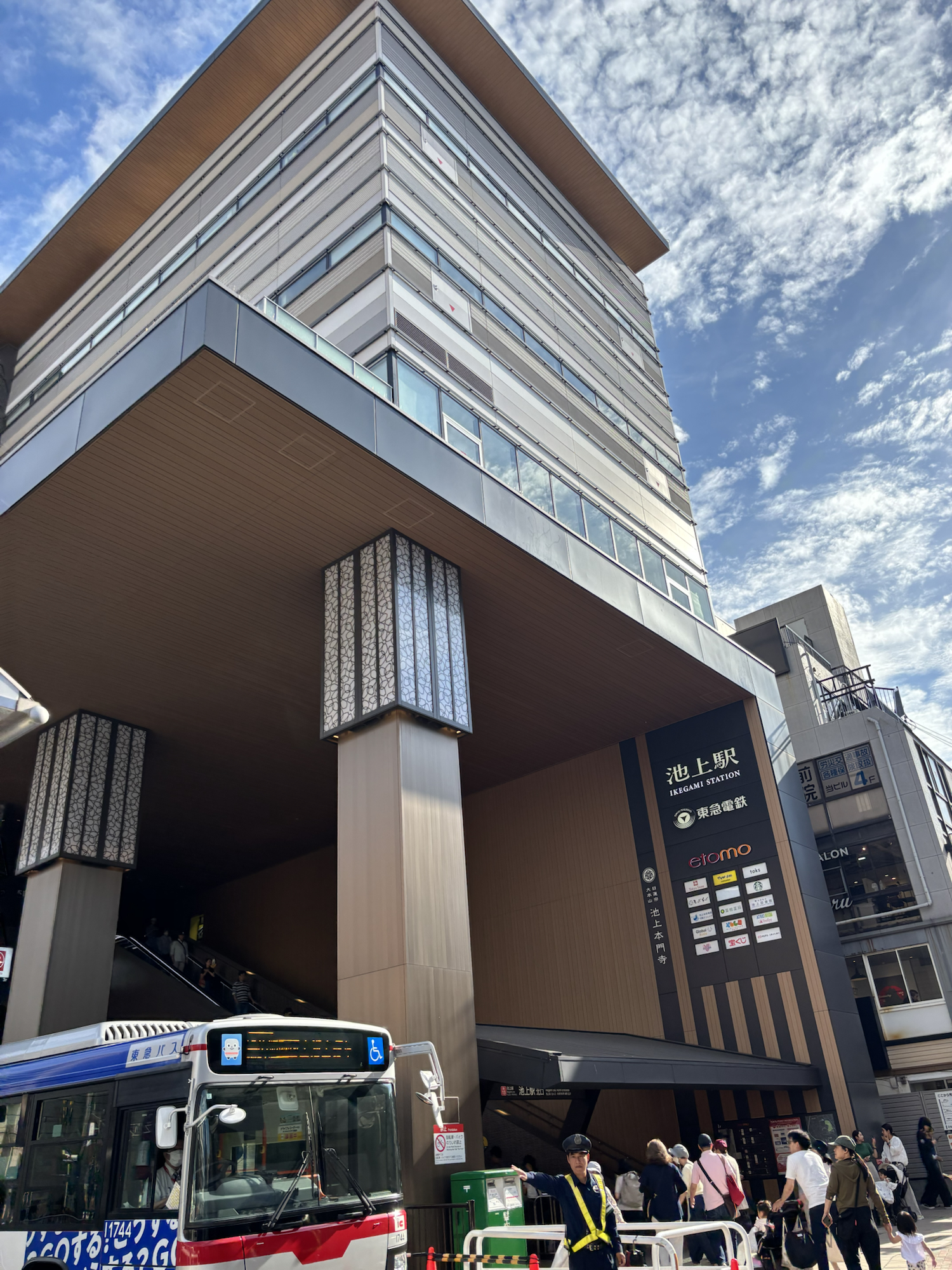
Ikegami Honmo-ji Temple
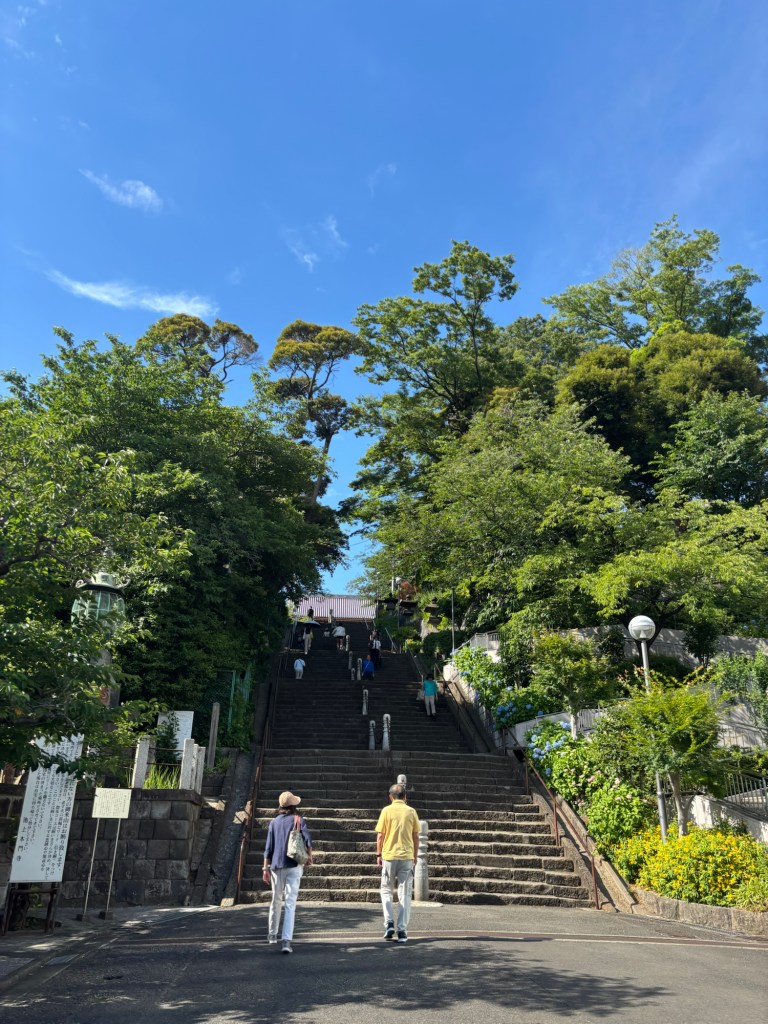
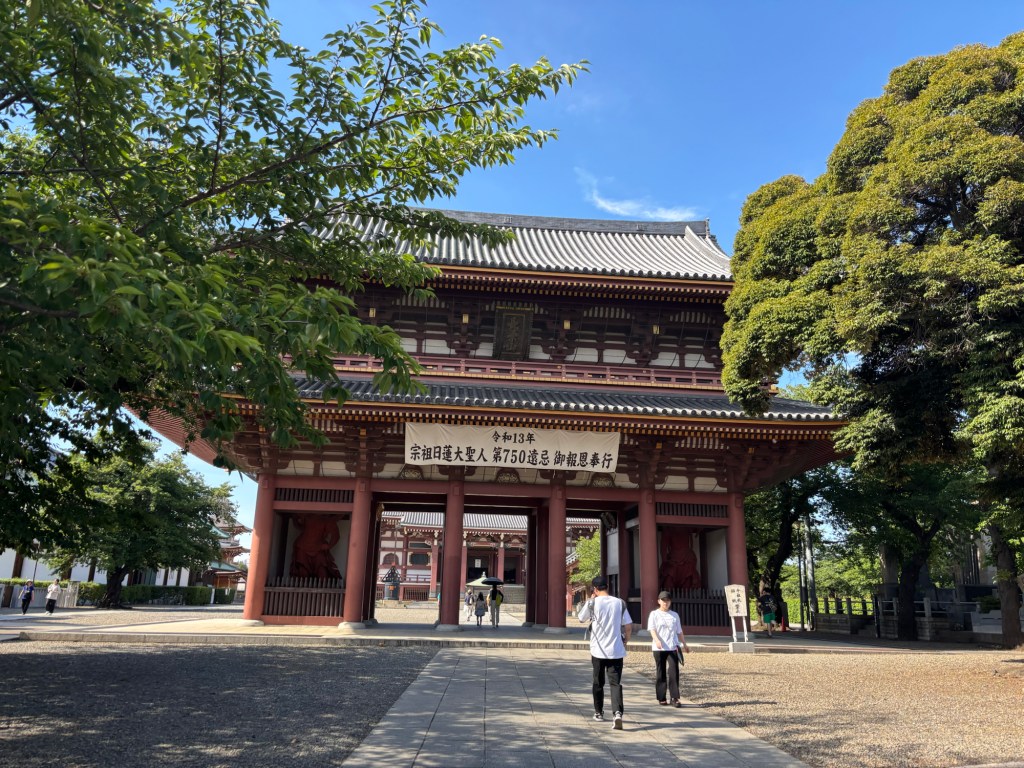
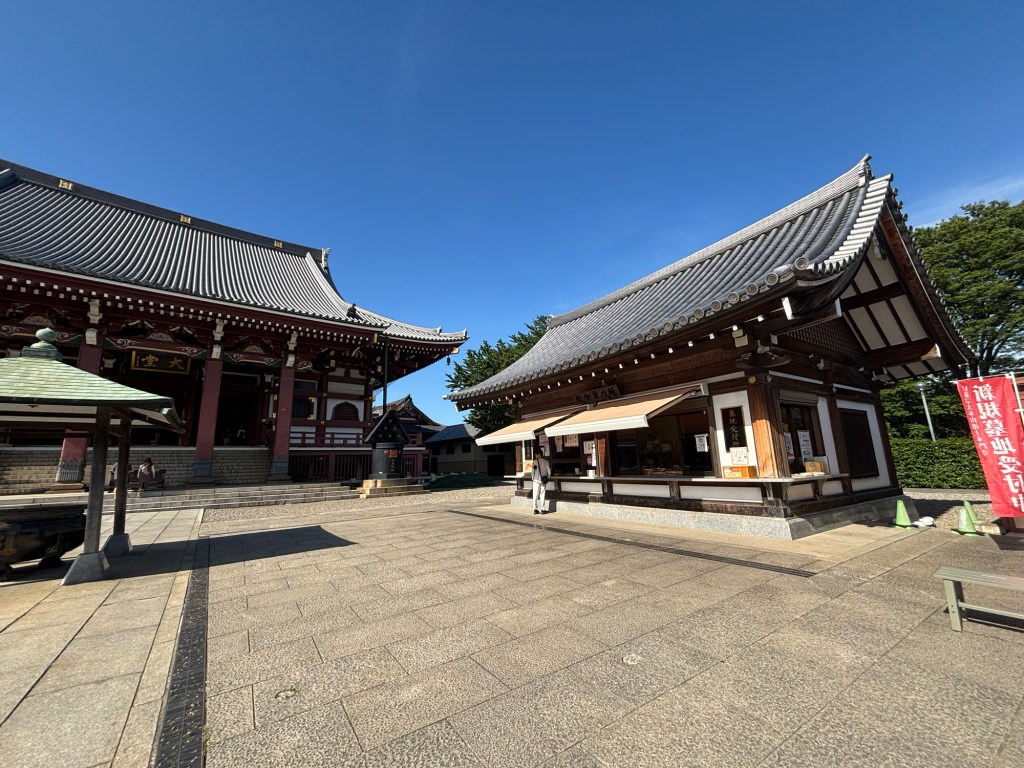
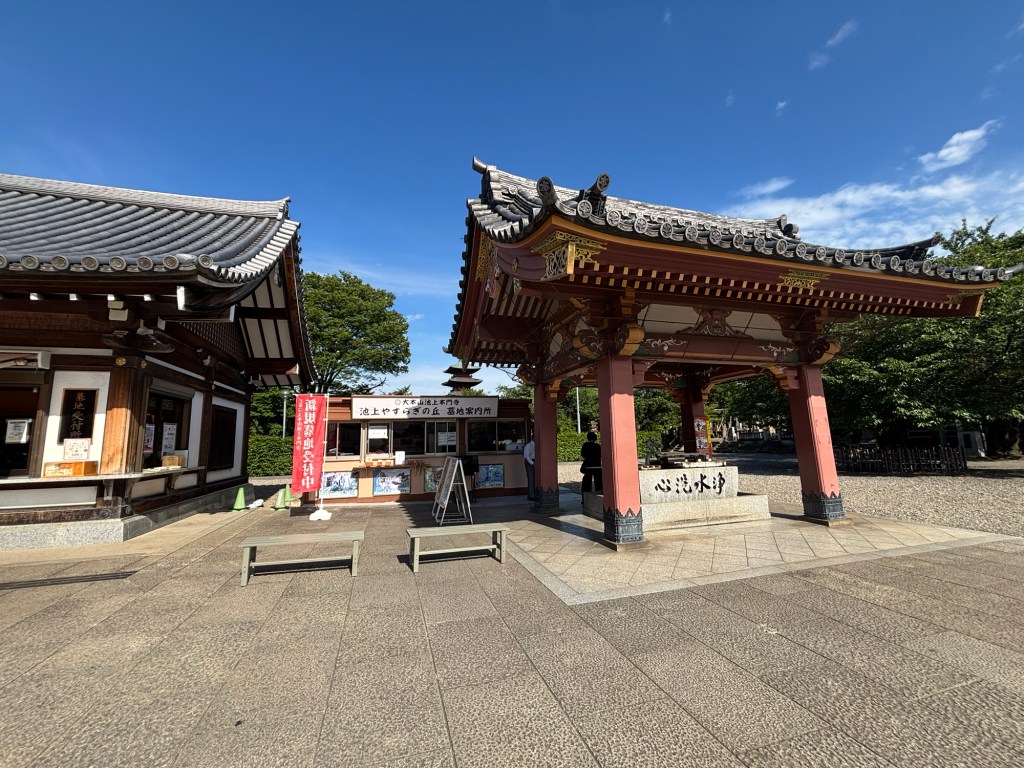
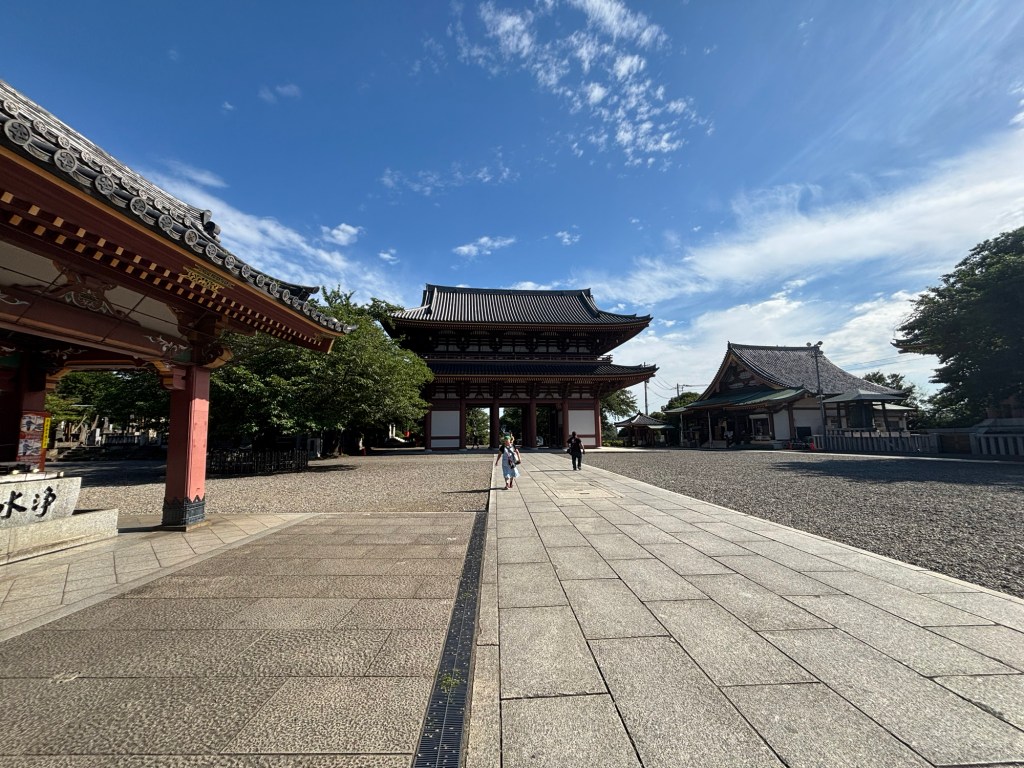
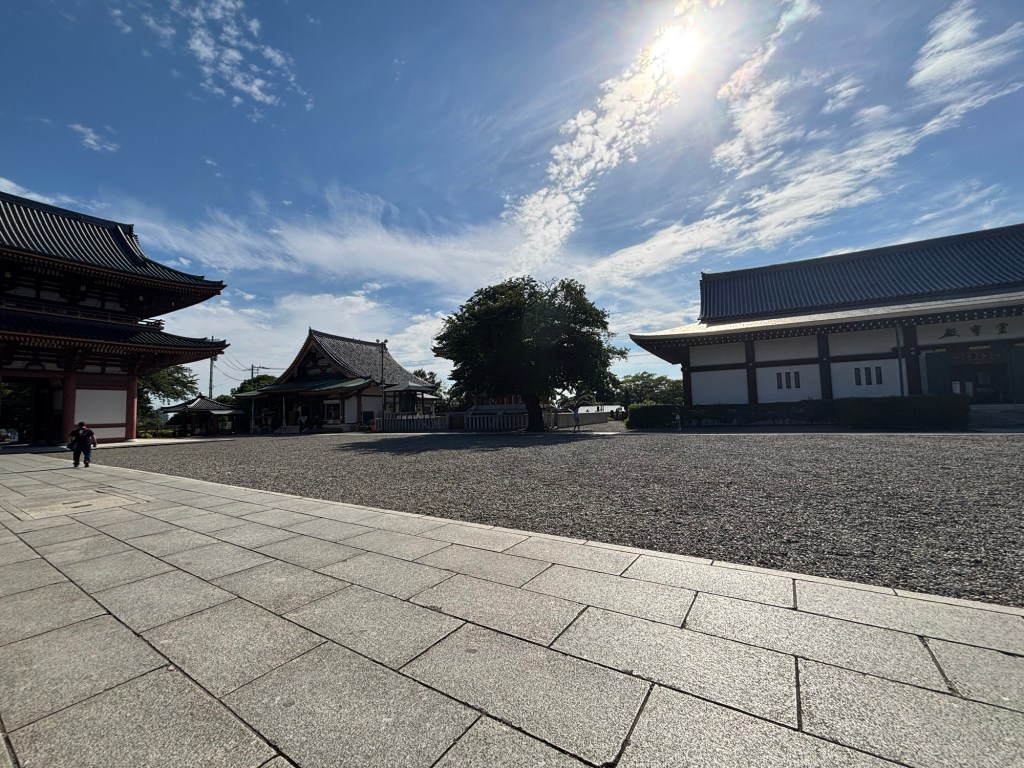
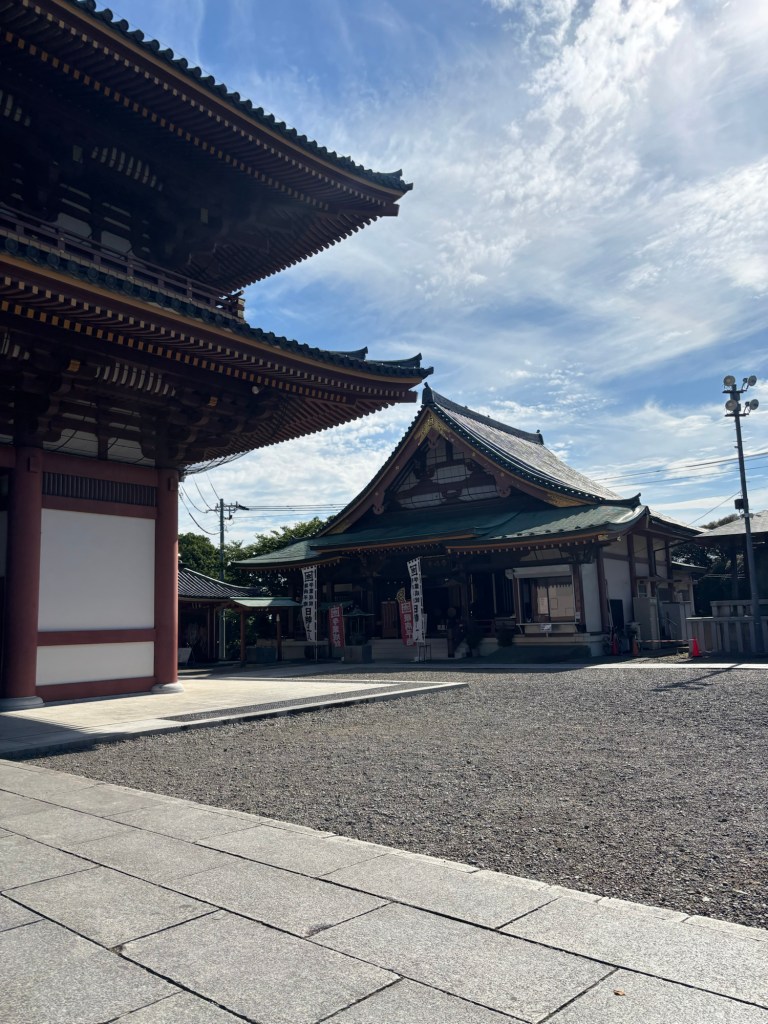
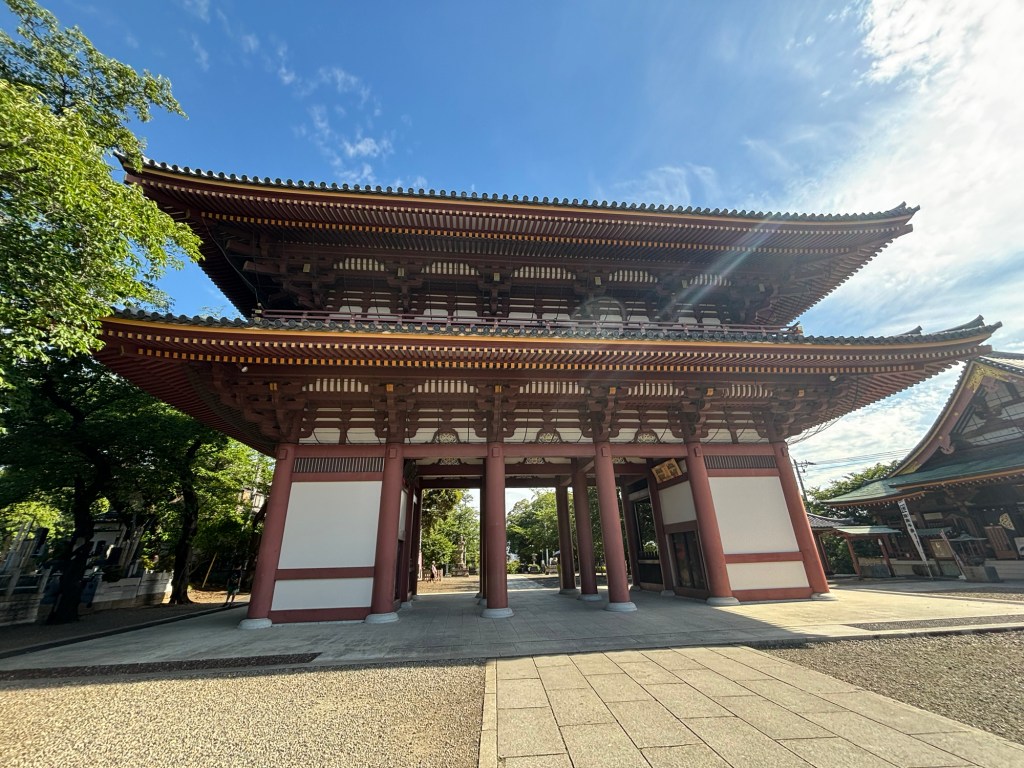
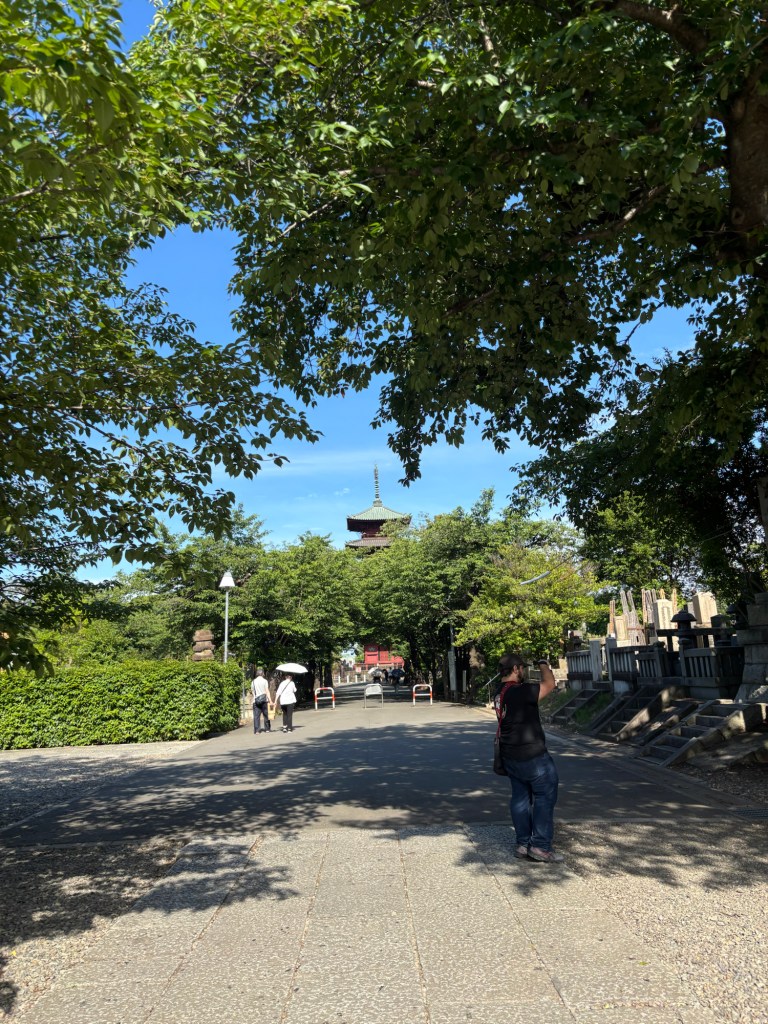
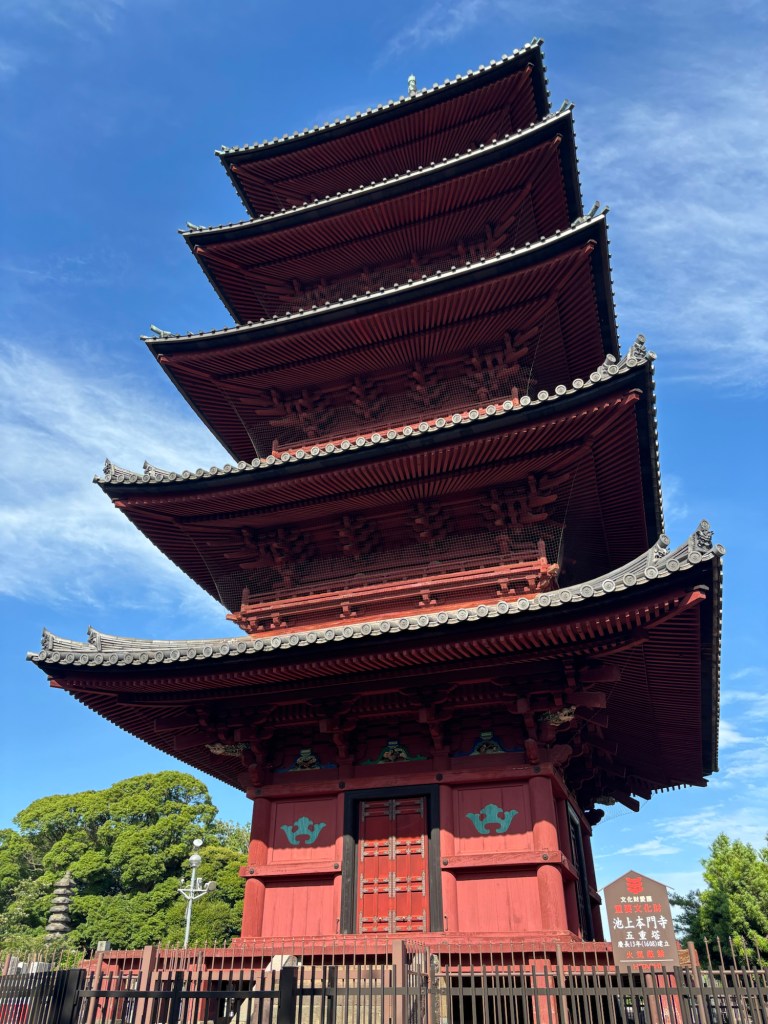
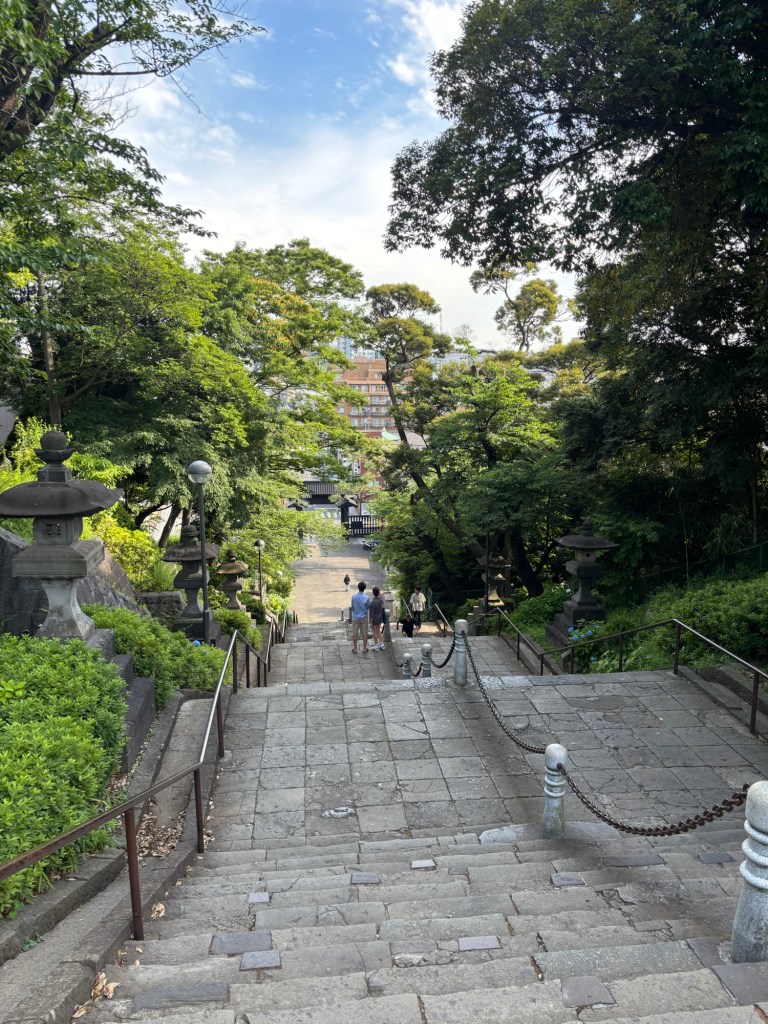
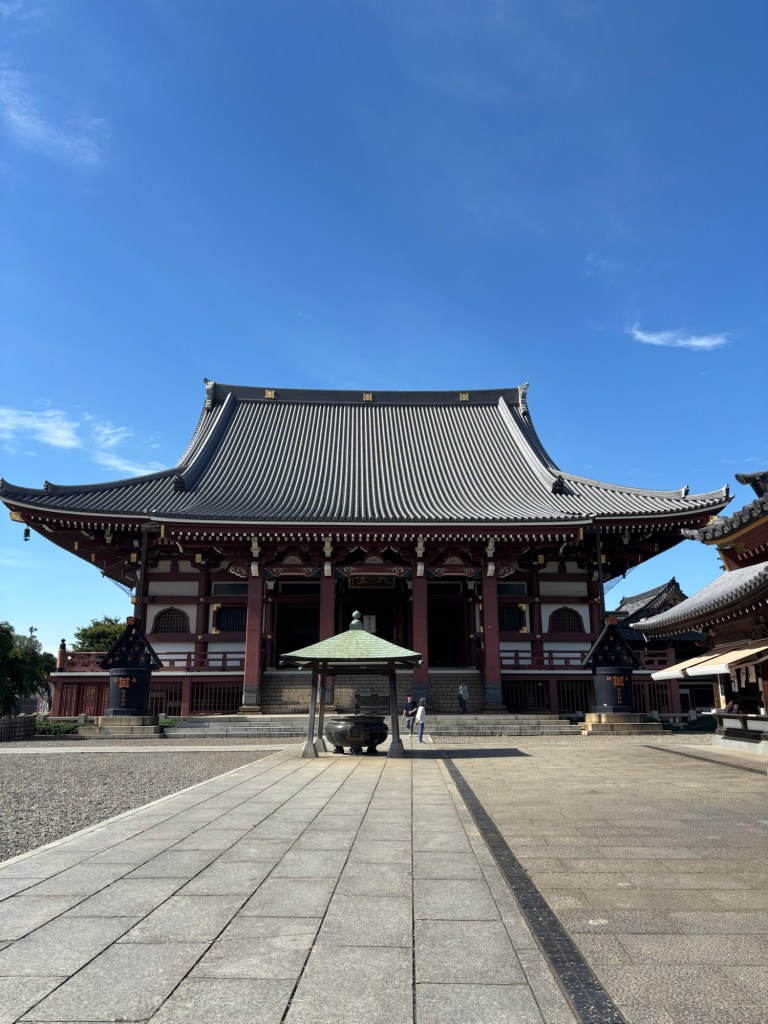
This experience was absolutely incredible. Founded in 1282, the temple has stood for centuries as an important center of Nichiren Buddhism. You could see it far from the road (and could even see the pagoda from the train station!), and the staircase leading up to the temple was both imposing and gorgeous.
We visited the main temple first out of respect before obtaining our goshuin or exploring the temple grounds further. Inside, a magnificent dragon mural stretched across the ceiling overhead. In Japanese Buddhism, dragons are not fearsome monsters but revered guardians associated with wisdom, protection, and transformation. The space felt regal, almost otherworldly, with gold lotus and other intricate statues decorating the entire area. The silence and respect was palpable from visitors, and it truly made me feel like part of something bigger than me. I felt overwhelmed by the vastness and beauty inside the temple and felt moved by how much meticulous care is taken to preserve these sacred places. We took our shoes off to approach the priest to obtain our goshuin, which was another “first” experience and very neat. I look forward to returning again to get our actual flower goshuin.
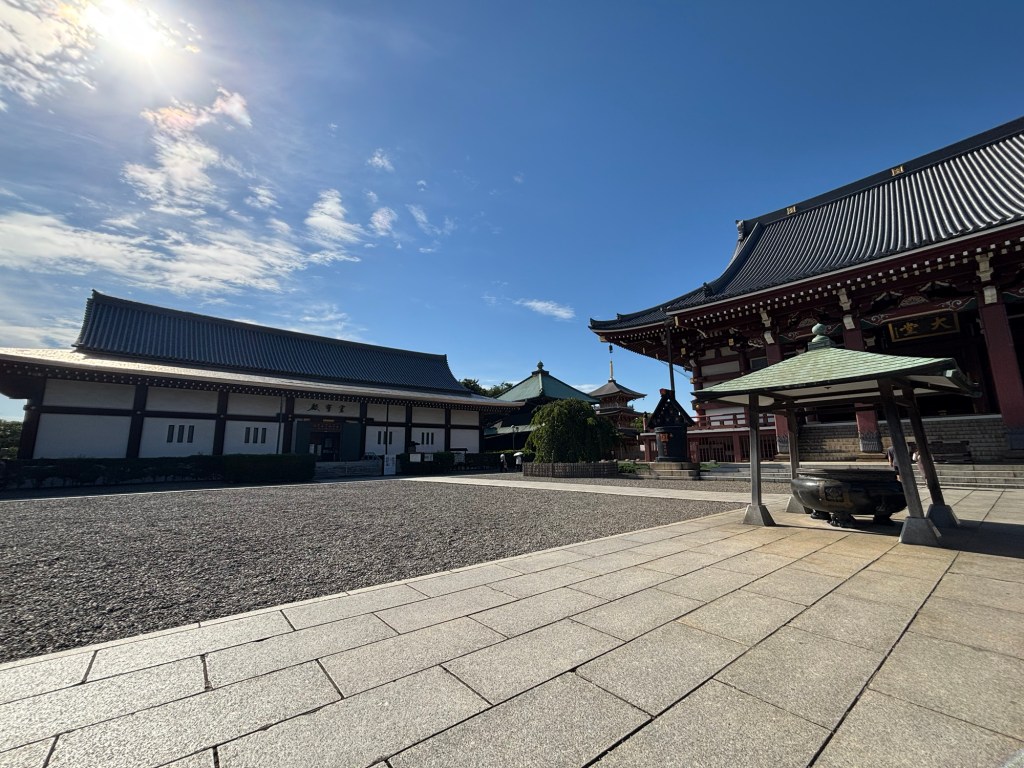
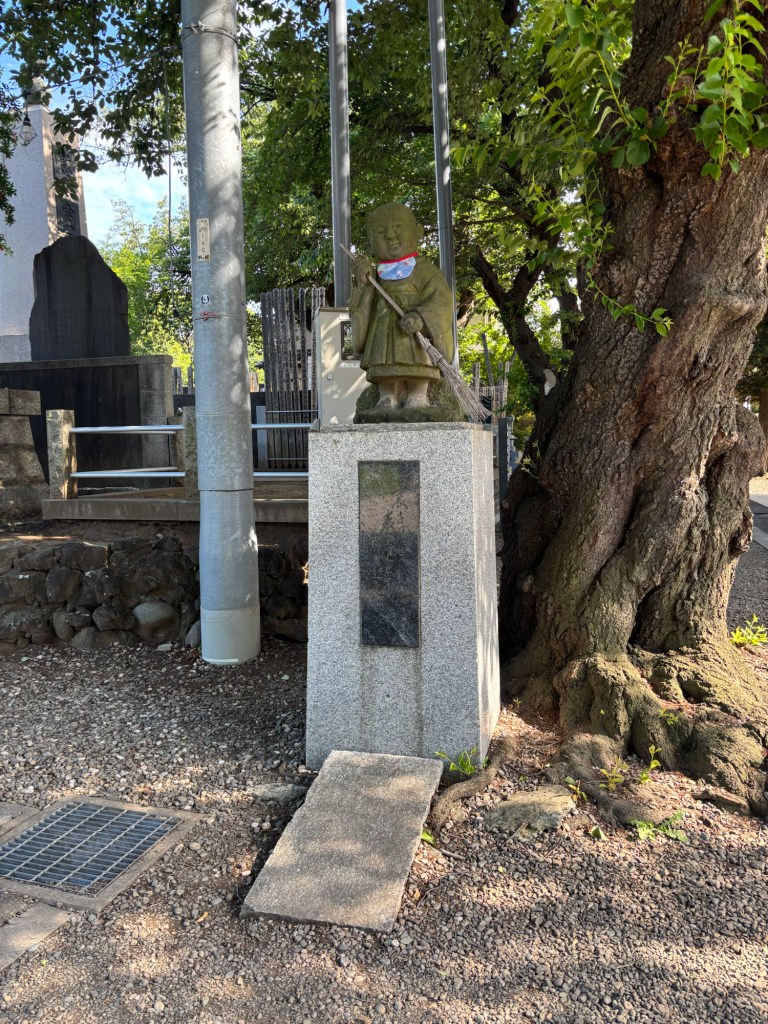
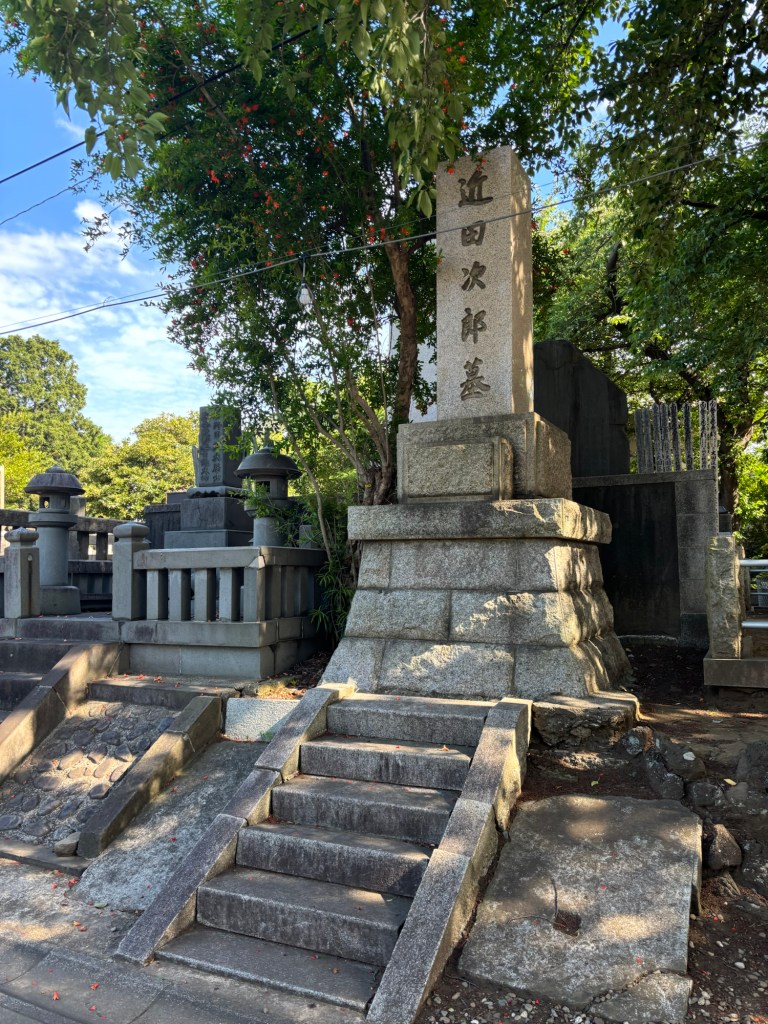
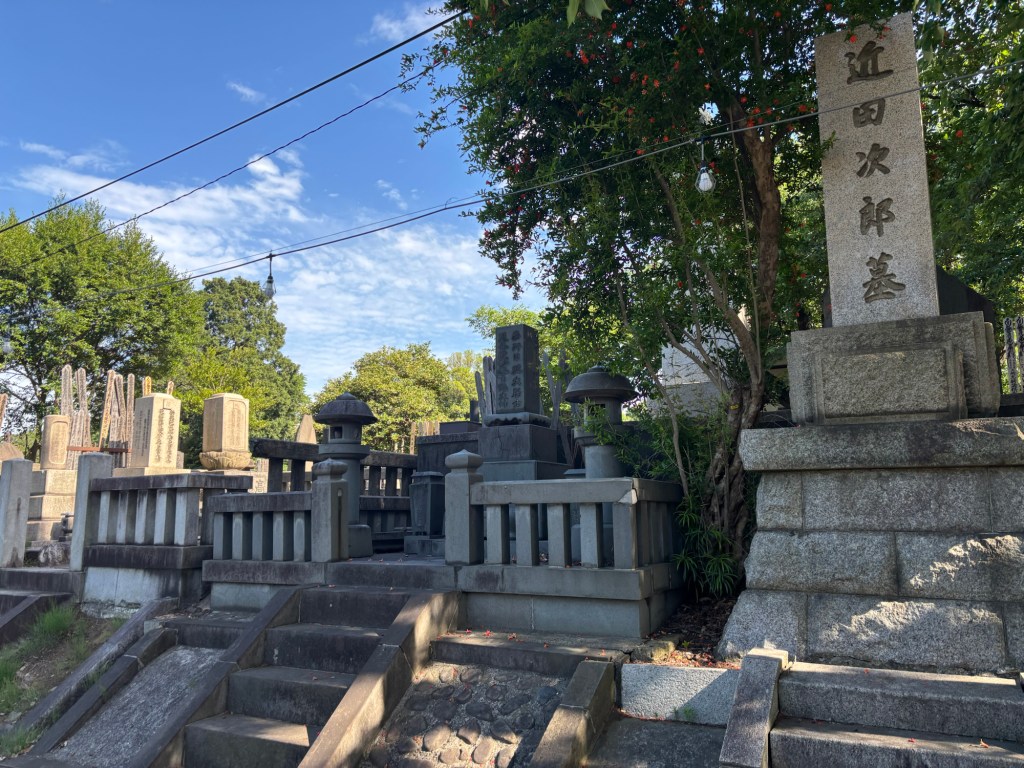
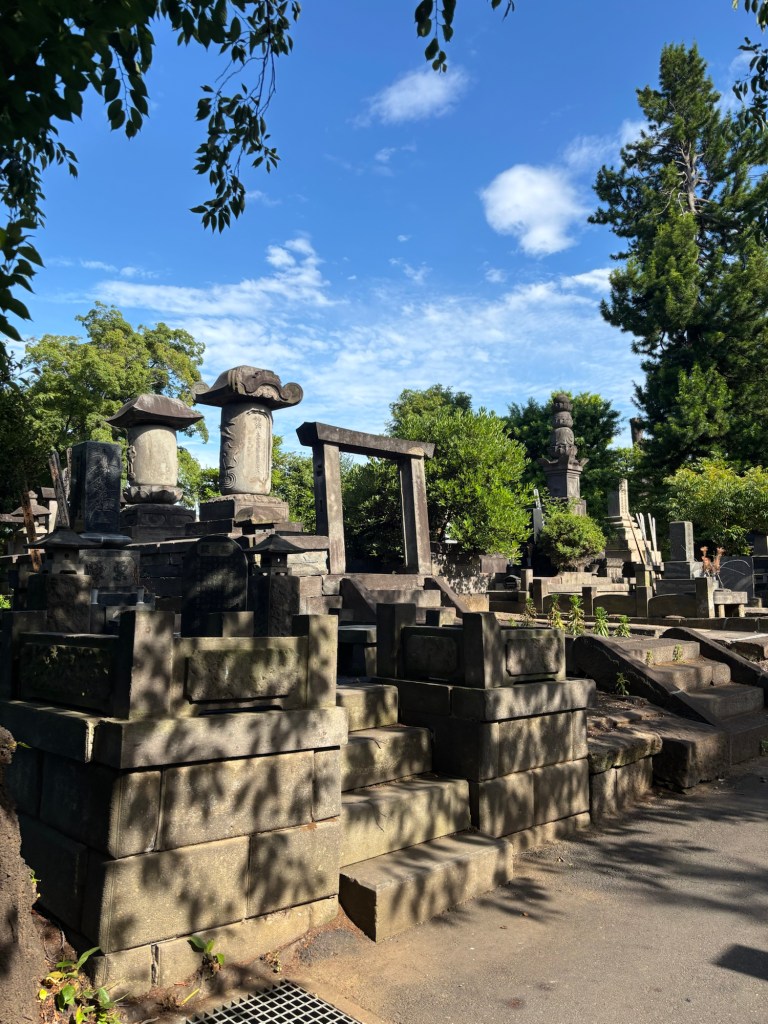
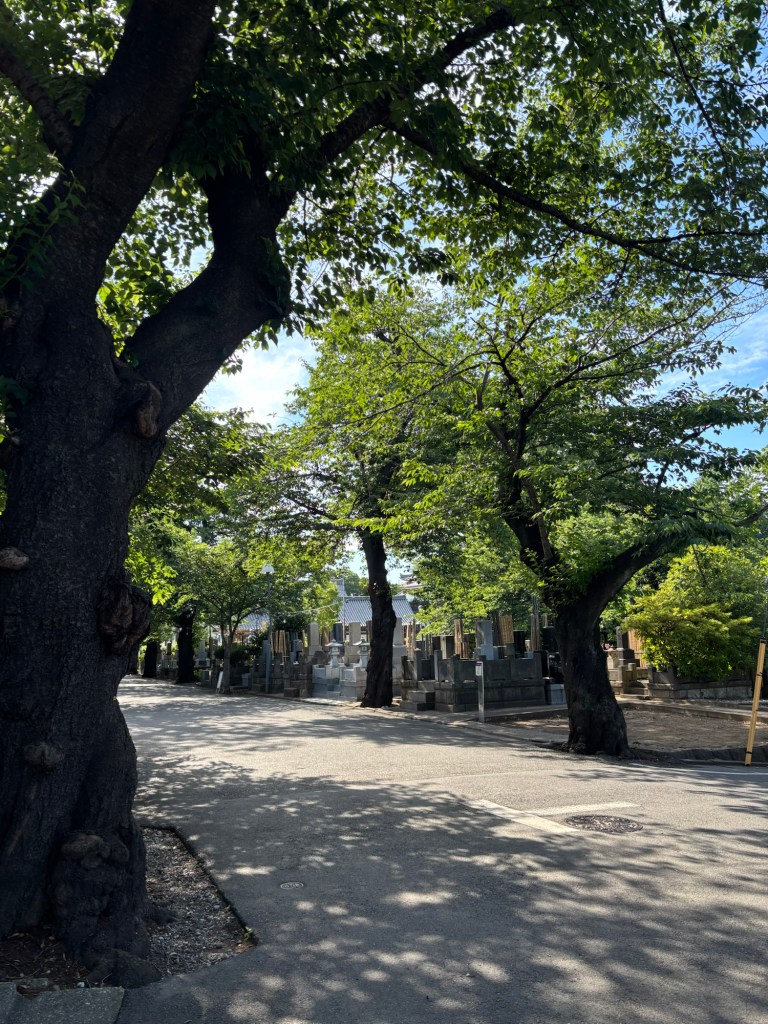
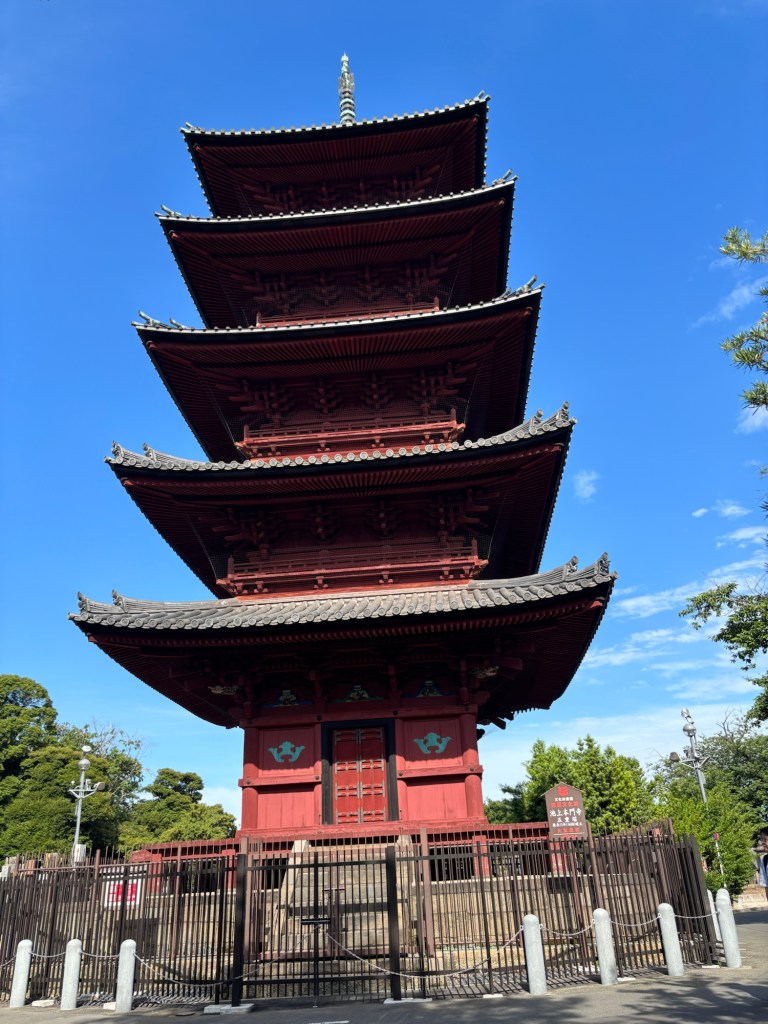
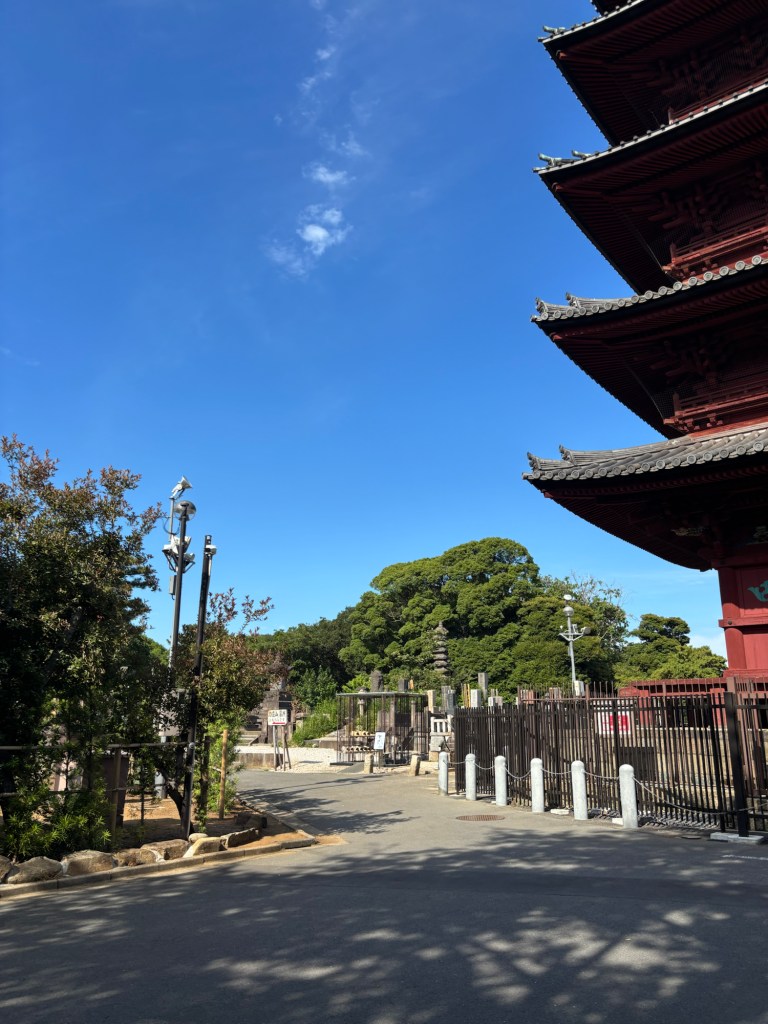
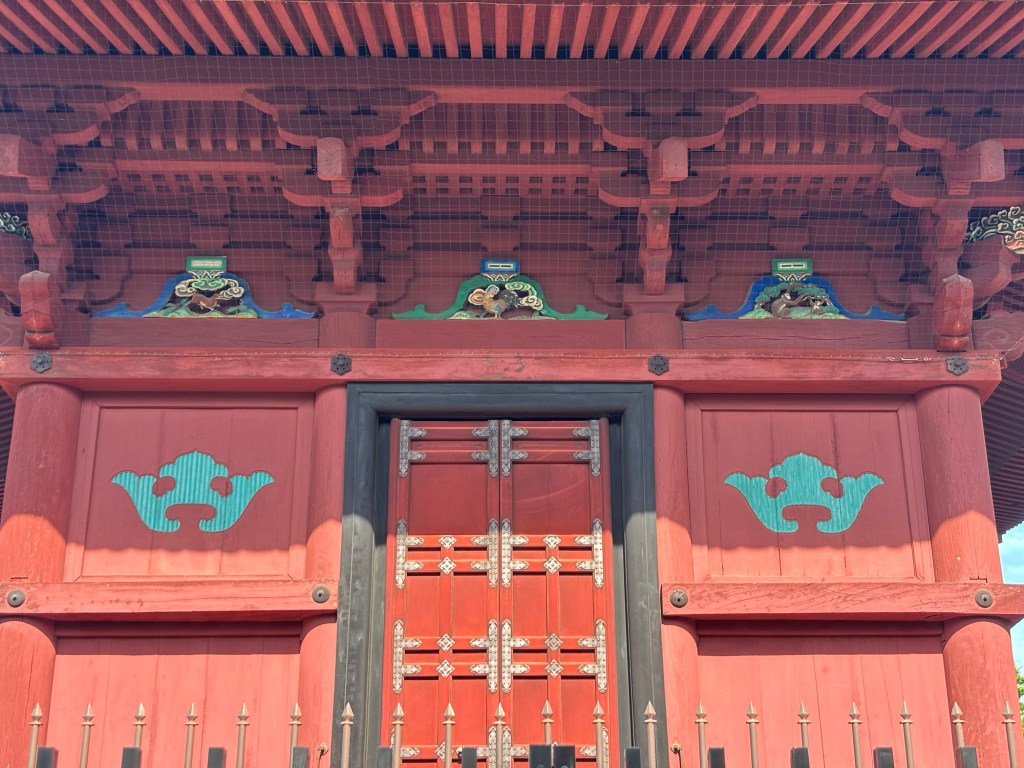
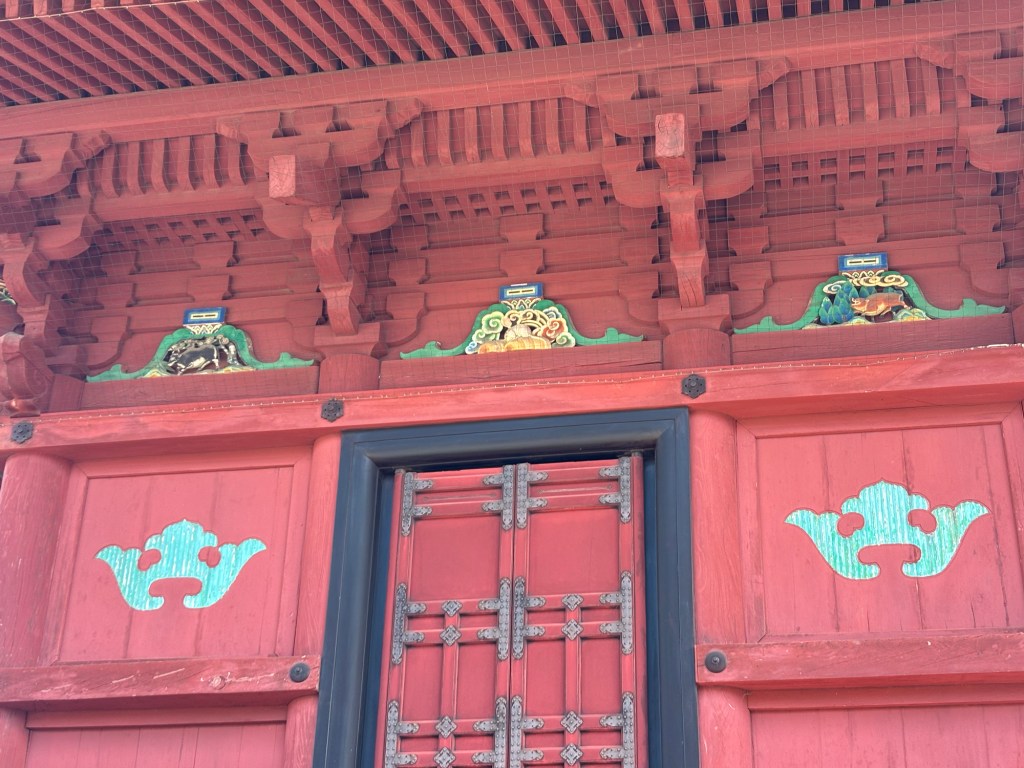
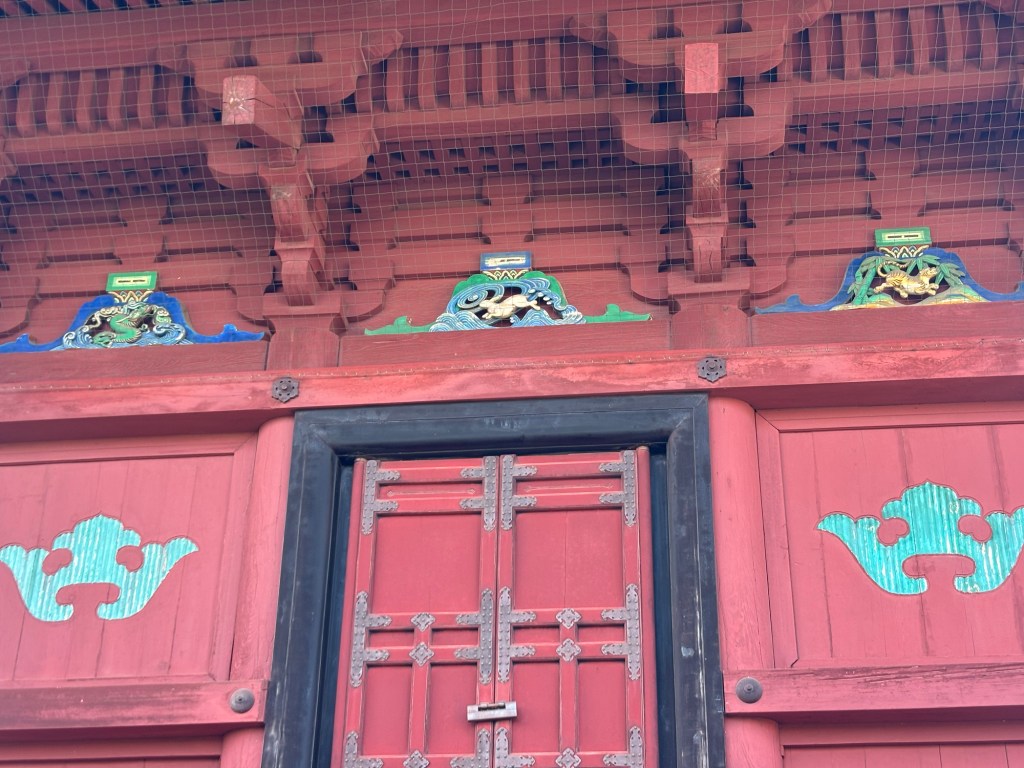
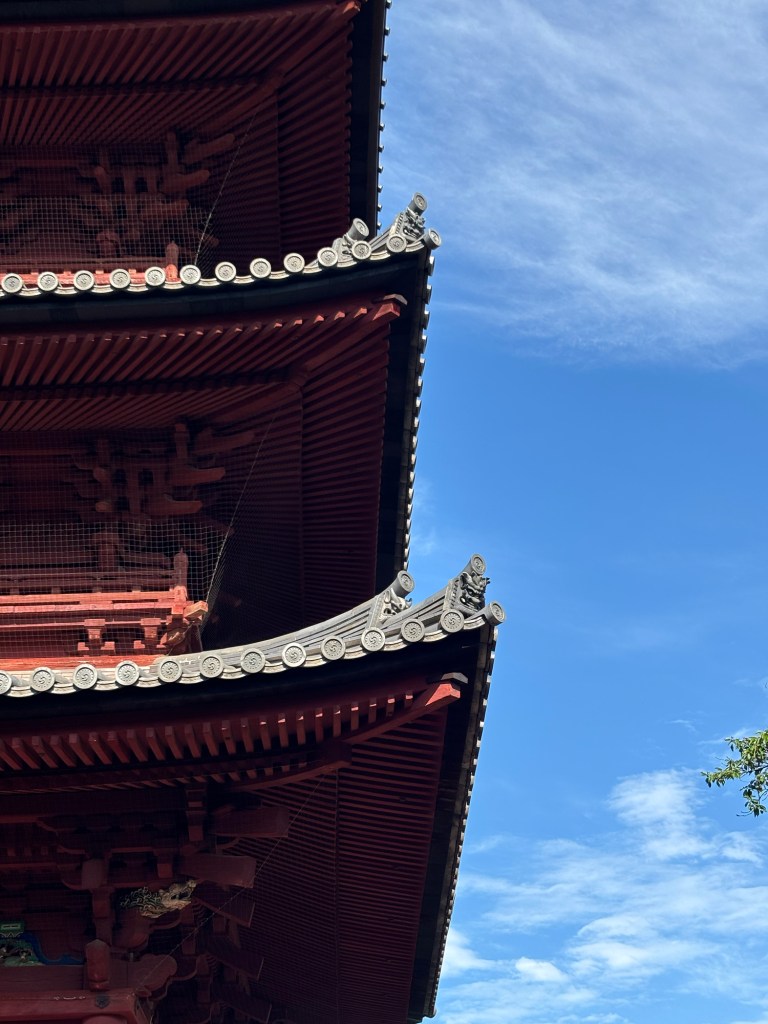
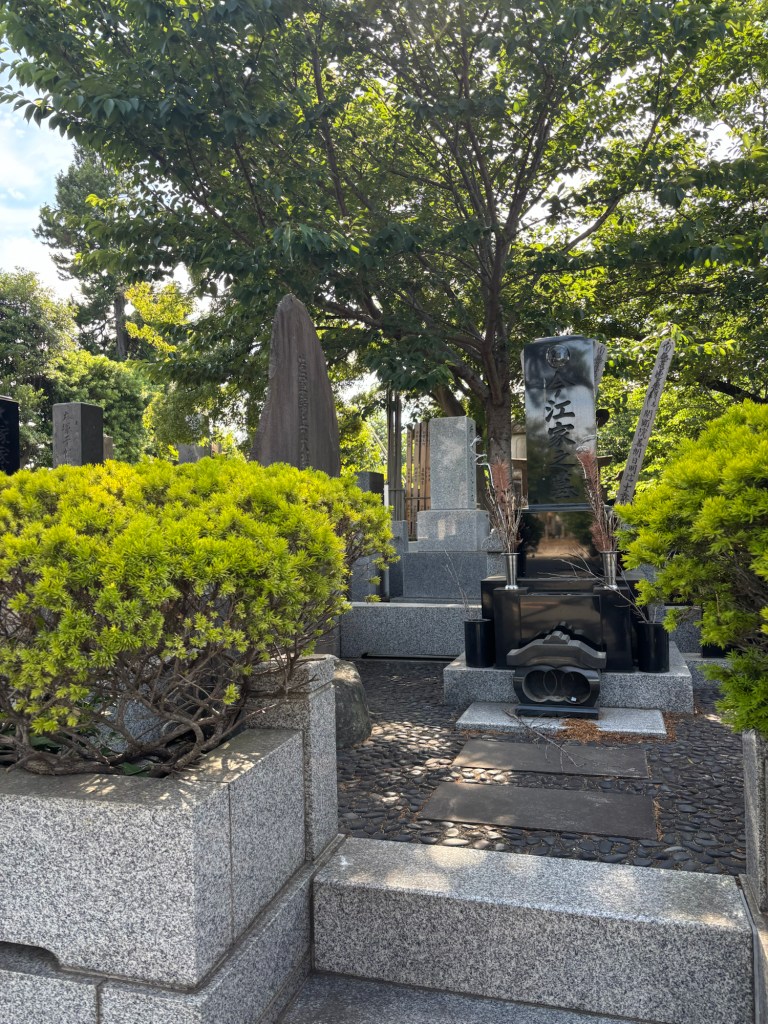
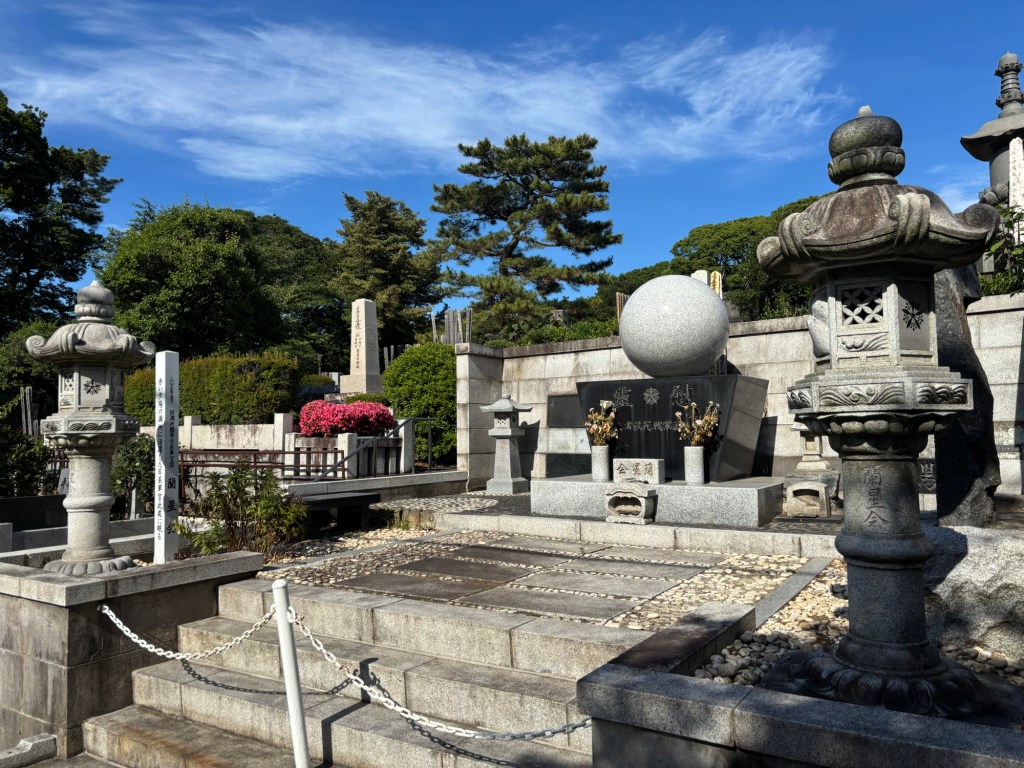
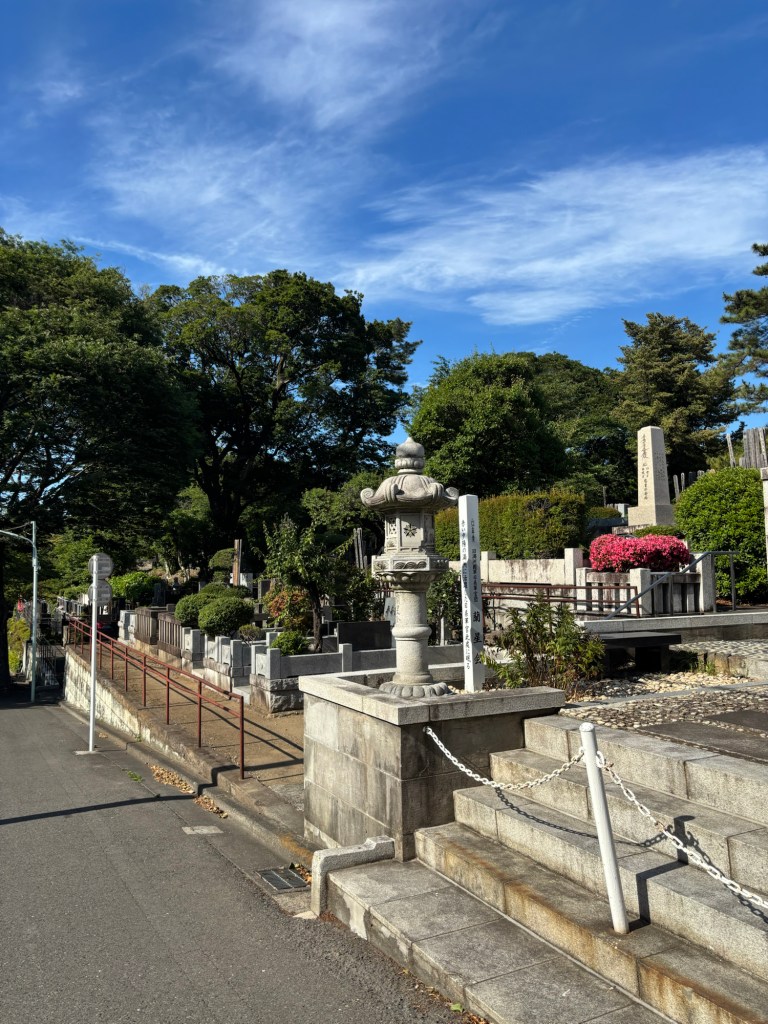
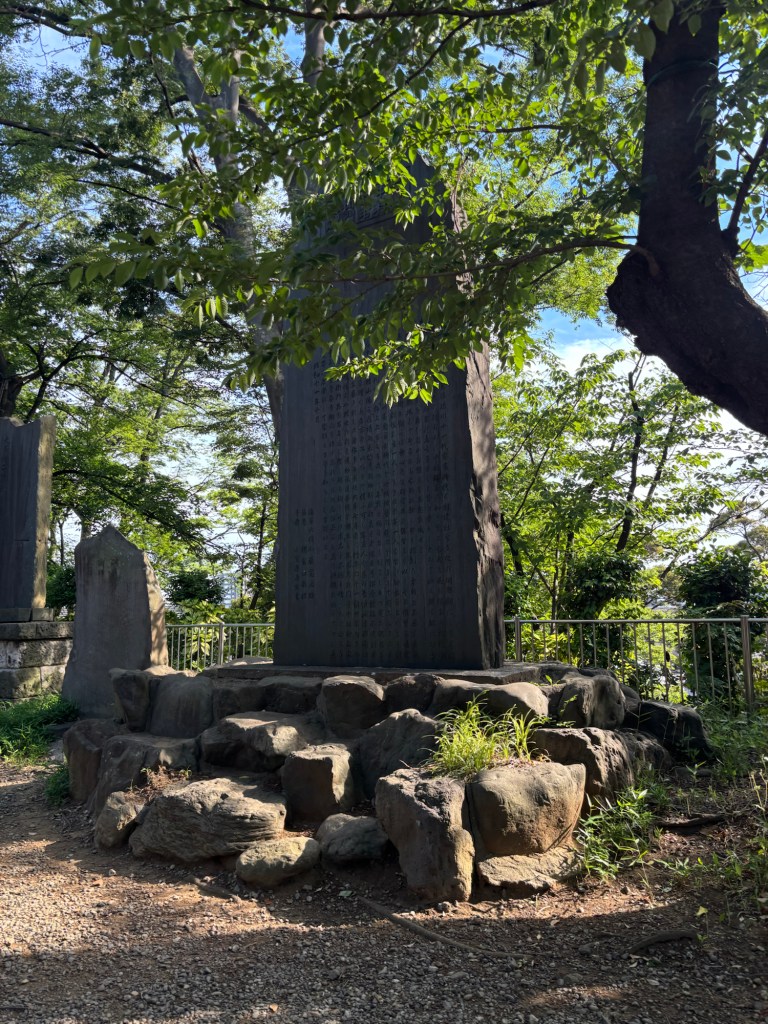
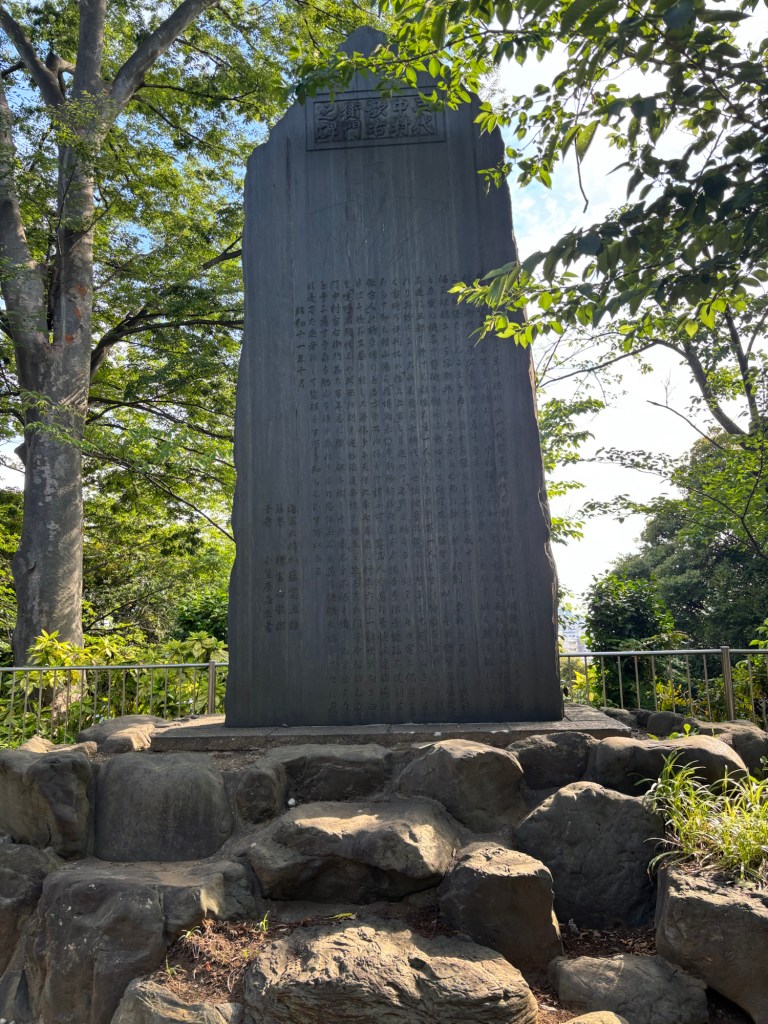
Outside, on the main temple grounds, a huge pot of incense filled the entire area with a sweet but mild aroma (that oddly didn’t trigger my perfume allergies). We explored the grounds further, appreciating a vast centuries-old cemetery full of history. Rows upon rows of graves held the memory of generations who came long before us. The five-story pagoda was equally captivating. Dating back to 1608, it is one of the oldest surviving wooden pagodas in Tokyo. Around it are symbols of the twelve zodiac animals, the detail of which were incredible and my pictures definitely don’t do them justice!
Walking through Honmon-ji, I found myself thinking less about history as a collection of dates and more as something living. The incense, the silence, the mural in the temple, the intricate designs, the meticulous care, the palpable respect, the countless graves…all of it seemed to carry the same message. Long before we arrived, generations of people stood where we were standing. They loved, grieved, hoped, celebrated, and were eventually remembered by those who came after them. This is what I love about these experiences the most; how connected they make me feel to humanity as a collective whole.
As a side note: paying respects in temples is quite different from shrines in that everything is done in silence. First, burn incense if available, then a respectful bow, a yen offering, a silent prayer (or silent expression of gratitude), and then another bow.
If you’d like to learn more about Ikegami Honmo-ji Temple, please visit their site here: https://honmonji.jp/outline/index.html

Honjoin Temple
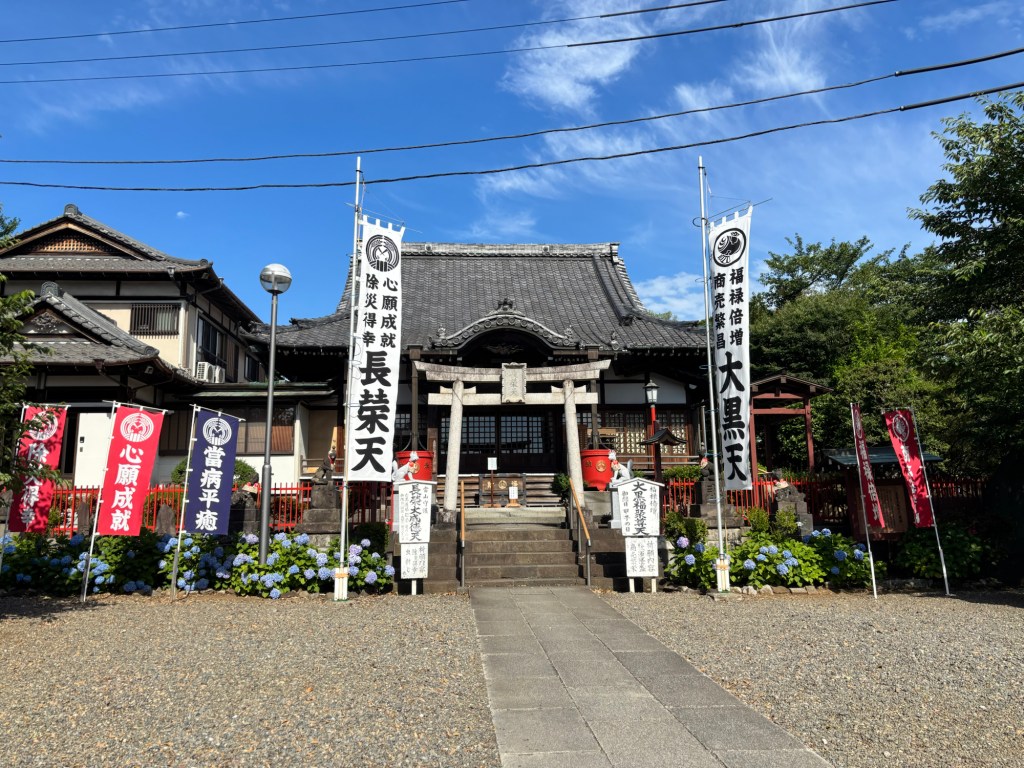
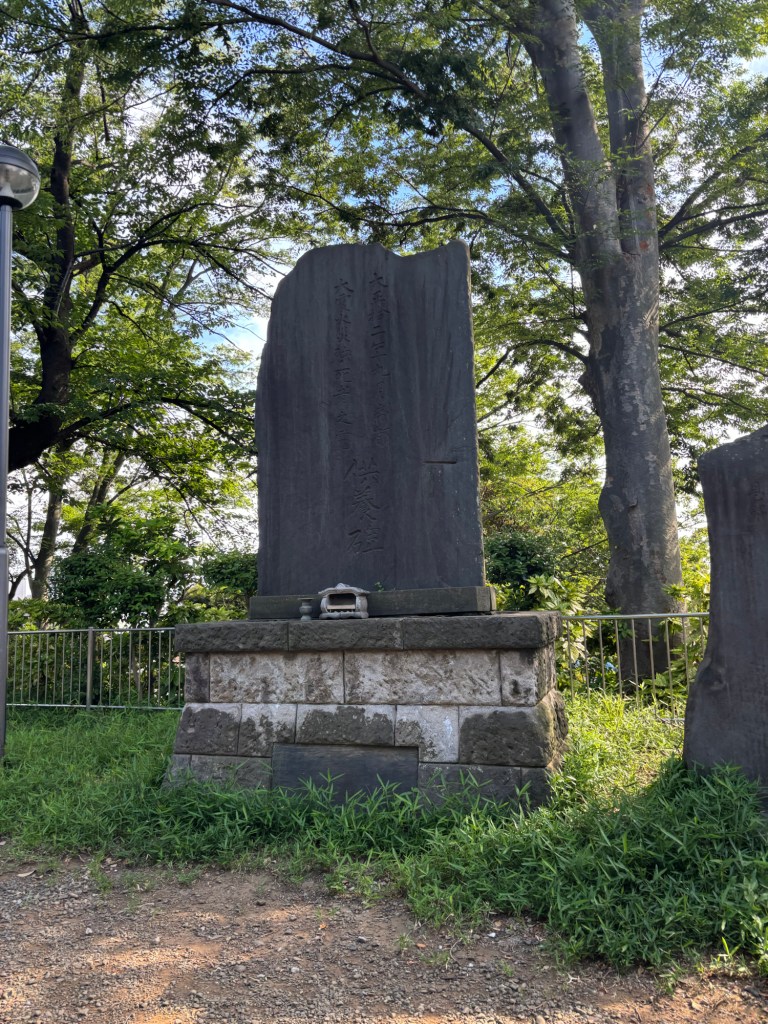
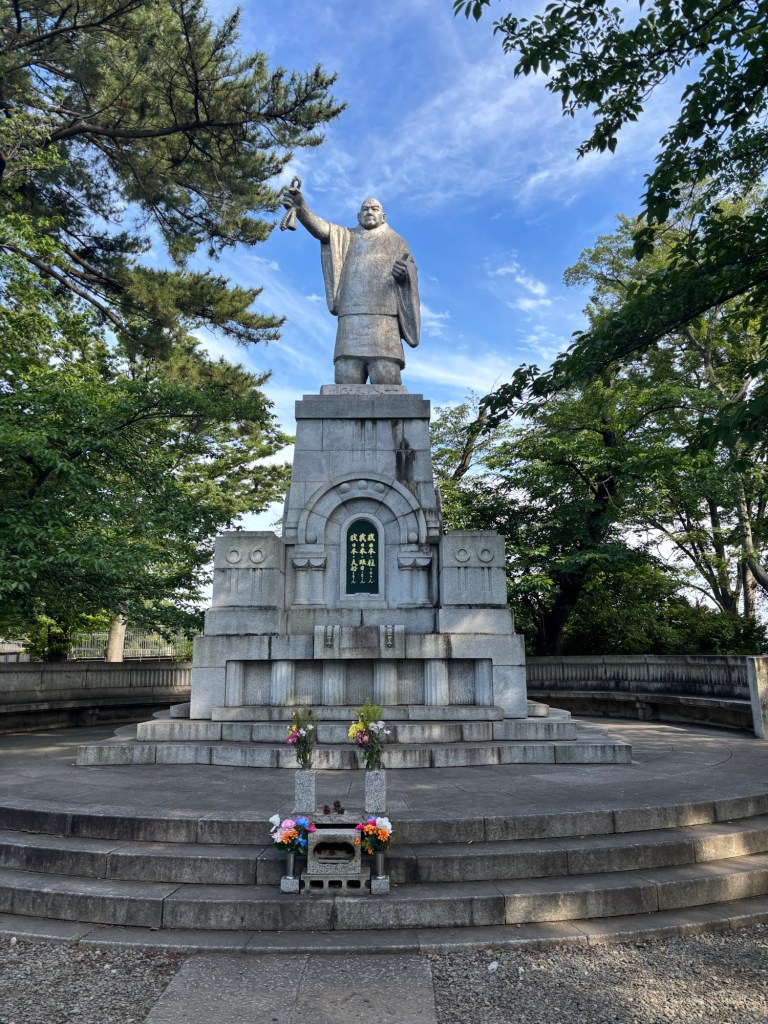
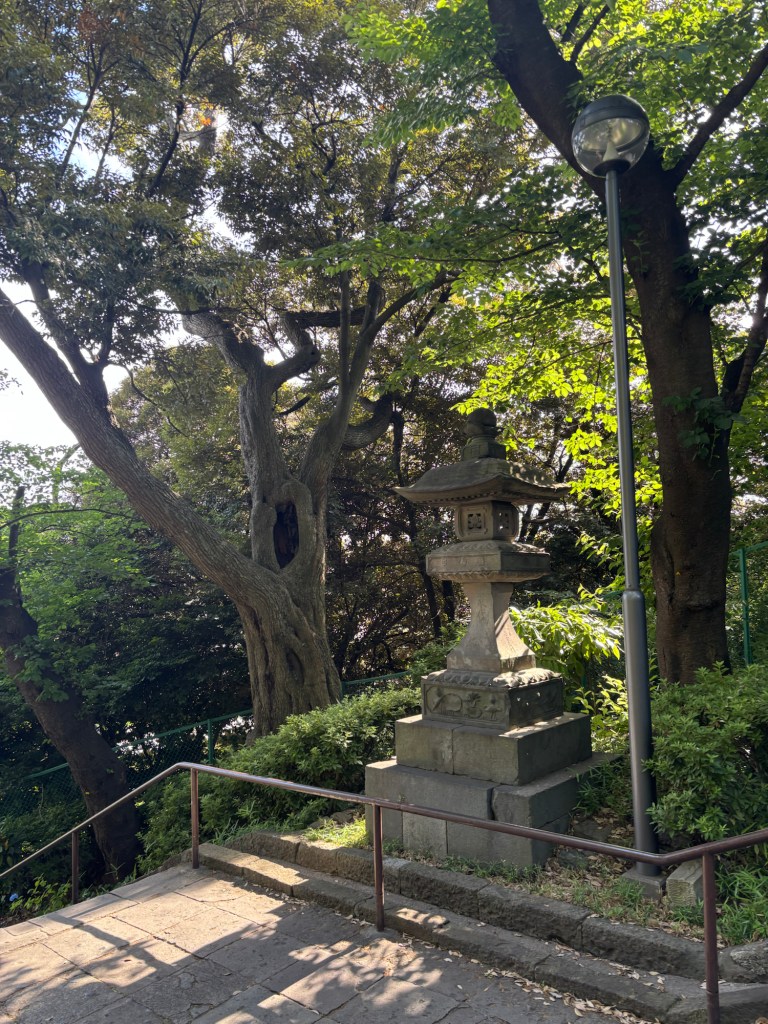
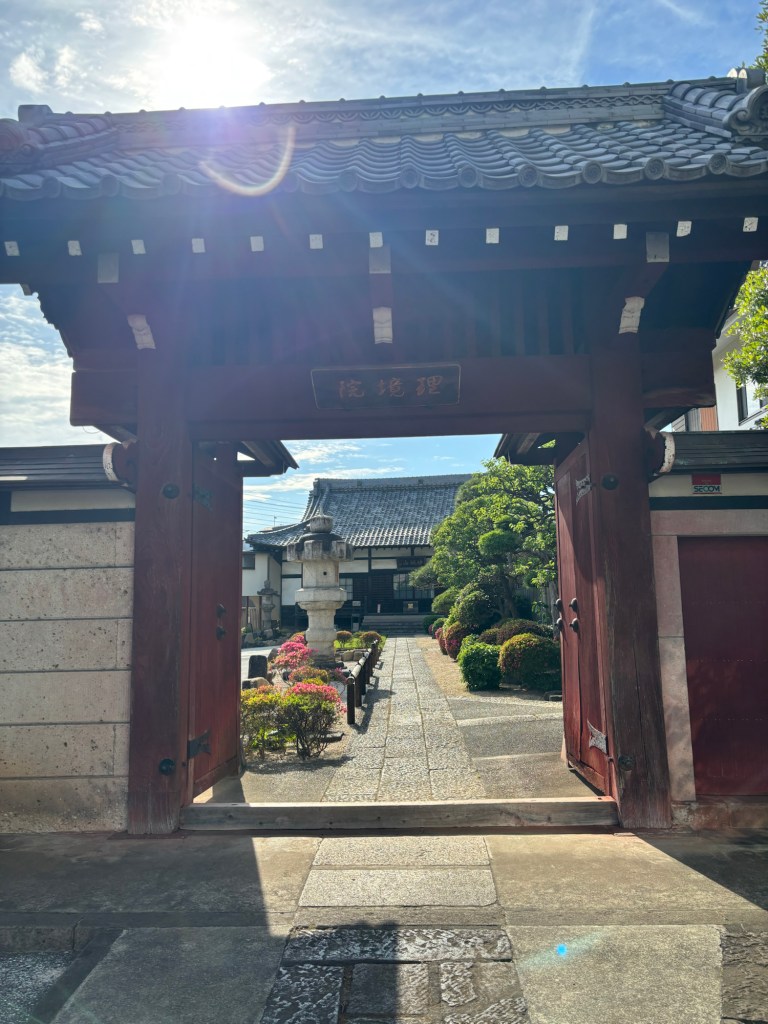
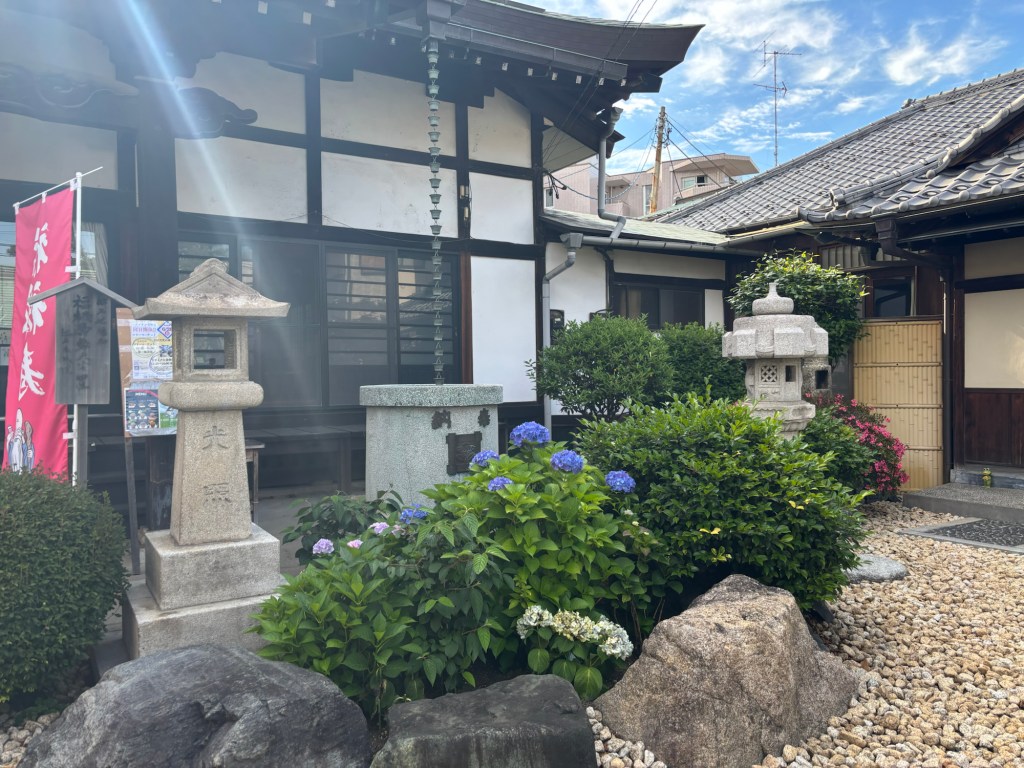
Our last goshuin stop of the day led us to Honjoin Temple. I found this location very memorable, and also very personal. We had to visit this location twice (and soon a third time because we didn’t receive the “correct” flower goshuin). The first time, we went to the wrong location and the volunteer wasn’t present, and due to time constraints we decided to go to Honmo-ji first, and return back here later. During our second trip, we found the correct location and were able to obtain our goshuin even though no staff were present.
Honjoin Temple’s history stretches back to 1282, when it was established as the hermitage of Nichiga Shōnin, a direct disciple of Nichiren, the founder of Nichiren Buddhism. Over the centuries it changed names, merged with neighboring temple sites, survived fires, and was eventually relocated to its current location during the Kyōhō era.
I found it interesting that Honjoin began not as a grand temple, but as a hermitage. Before it became a temple, it was simply a place where a disciple lived and continued the teachings of his teacher. What made it personal to me is the exciting discovery that the temple is associated with blessings for academic success (which I definitely expressed while paying respects at this location). As someone currently pursuing a PhD in Japan, it felt particularly meaningful and I’m truly looking forward to returning a third time.
As we were on our way out of the temple grounds, I found myself wondering about how many hopes, worries, ambitions, and dreams have been carried through these gates over the last seven centuries? How many people stood here before an important examination, a new chapter in life, or an uncertain future? While I am not religious, I am spiritual; and there was something comforting about standing in a place where generations of students, and lifelong learners may have come seeking encouragement for their own journeys.
If you’d like to learn more about Honjoin Temple, they don’t have their own website that I could find but I utilized information here: https://temple.nichiren.or.jp/0031050-honjoin/#about
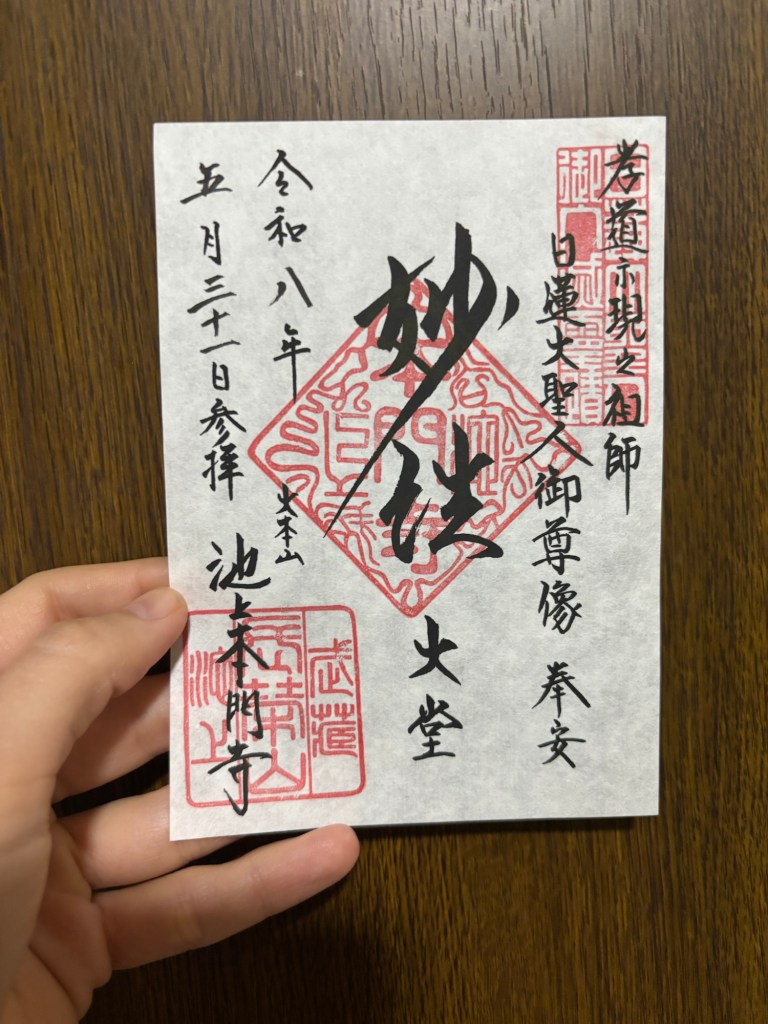
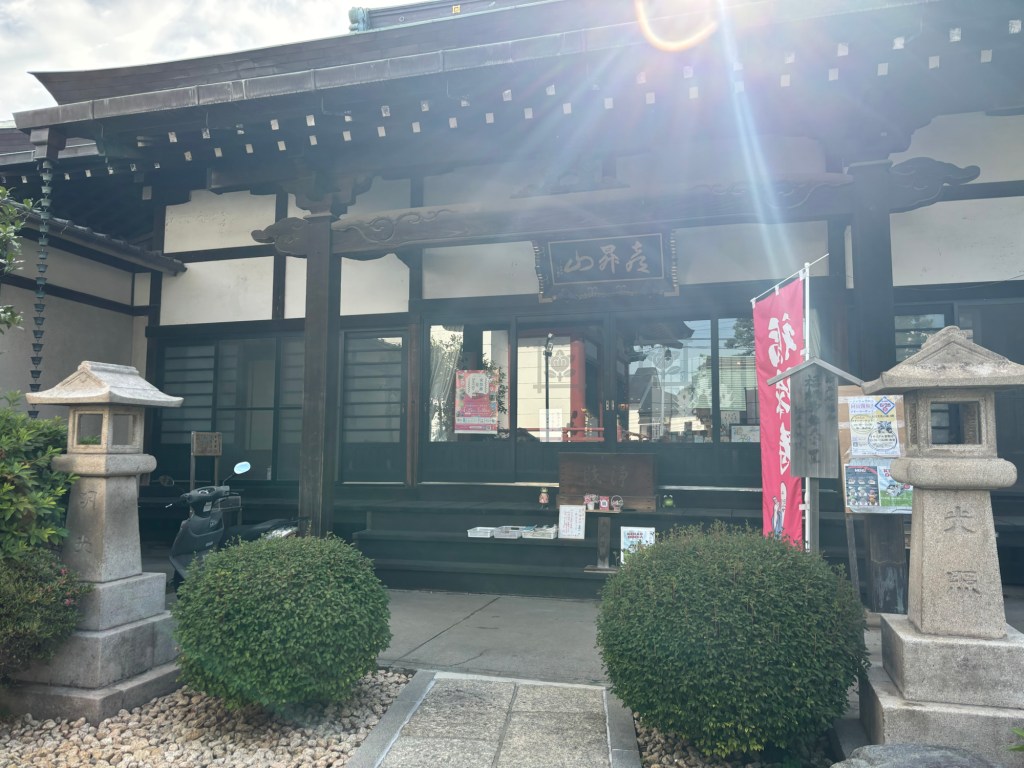
I truly look forward to our next adventure and group of shrines and temples. The history that each location holds is like a thread in a grand tapestry woven throughout time. I’m so grateful for this opportunity, and hope to continue keeping my mind and heart open to new ideas, perspectives, and teachings.
*More in-depth steps to be respectful at shrines and temples can be found here: https://en.japantravel.com/guide/shrine-temple-etiquette/20924



Leave a Reply